


Are Enzyme Cleaners Safe for Kids and Pets?
A pet accident on the carpet is not just a surface stain. If any residue remains in the backing or pad, the odor can return when the room gets warm or humid. That is why homeowners often ask, are enzyme cleaners safe for the people and animals living in the home? The short answer is that they can be, but safe use depends on the product, the surface, and how it is applied.
Enzyme cleaners are a practical option for many organic messes, including urine, vomit, food spills, and some odors. They are not a one-product answer for every stain, though. Using the right cleaner and giving it enough contact time makes a real difference.
What Enzyme Cleaners Actually Do
Enzyme cleaners use proteins called enzymes to break down organic material. For example, they may help digest the compounds left behind by pet urine, food, sweat, or other biological messes. Once those compounds are broken down, the cleaner can make them easier to remove and can reduce the source of the odor rather than simply covering it up.
That is different from a heavily perfumed cleaner. Fragrance may make a room smell fresh for a few hours, but it does not necessarily remove what is causing the smell. With pet accidents especially, odor control depends on reaching the material below the carpet fibers.
Most enzyme products are designed for targeted household cleanup, not for deep cleaning an entire carpet. If a stain has soaked through to the carpet backing, cushion, subfloor, or upholstery filling, a spray bottle may not reach deeply enough to solve the problem.
Are Enzyme Cleaners Safe Around Families?
When used according to the label, many enzyme cleaners are formulated to be a lower-harshness choice for homes with children and pets. Still, “enzyme” does not automatically mean every product is harmless in every situation. Formulas vary. Some contain added fragrances, preservatives, surfactants, or other ingredients that can irritate sensitive skin, eyes, or airways.
The safest approach is simple: read the label, use only the recommended amount, and keep children and pets off the treated area until it is dry. Avoid letting anyone touch, lick, or walk through a wet cleaning solution. If you are treating a favorite pet area, block it off with a chair, gate, or upside-down laundry basket while the cleaner works and the carpet dries.
Anyone with asthma, fragrance sensitivity, allergies, or very young children in the home may prefer a fragrance-free product with clear usage directions. Good ventilation also helps. Open a window when weather allows, or run your home’s ventilation system while cleaning.
There is one safety rule that applies to nearly every cleaning product: never mix chemicals. Do not combine an enzyme cleaner with bleach, ammonia, disinfectants, or another spot treatment unless the product label specifically says it is safe to do so. Mixing products can create fumes, weaken the cleaner’s performance, or leave unwanted residue in the carpet.
Safety Also Means Protecting the Carpet
A cleaner may be safe for your family but still be a poor fit for a particular material. Wool, silk, natural fibers, specialty rugs, and some upholstery fabrics need extra care. Before treating a visible spot, test the product in a hidden area and allow it to dry fully. Check for color transfer, texture changes, or a water ring.
Using too much solution is another common problem. Saturating carpet can push moisture and odor deeper, slow down drying, and create conditions where lingering moisture becomes a concern. More cleaner is not always better.
When Enzyme Cleaners Work Best
Enzyme cleaners tend to be most useful on fresh or recent organic stains. The sooner a pet accident or food spill is addressed, the less opportunity it has to set into the fibers and backing.
Start by blotting up as much moisture as possible with clean white towels. Press down firmly instead of scrubbing. Scrubbing can spread the mess, fray carpet fibers, and drive residue farther down. Apply the enzyme product as directed, give it the full dwell time listed on the label, then blot again if the instructions call for it.
Patience matters here. Enzymes need time and the right moisture conditions to work. Wiping the product away immediately may stop it before it has done its job. On the other hand, leaving any cleaner in place longer than directed can leave residue, so follow the manufacturer’s instructions rather than guessing.
For a small, isolated stain, this process may be enough. It is also helpful for minor pet-related odors caught early. After the area is dry, check it again. If odor returns, the original contamination may be below the surface.
When a Store-Bought Cleaner Is Not Enough
Repeated accidents in the same spot are usually a sign that the problem is deeper than the carpet face fibers. A pet can still smell traces that people cannot detect, which may encourage repeat marking. Old stains, large accidents, and odors that return after cleaning often require extraction and targeted odor treatment.
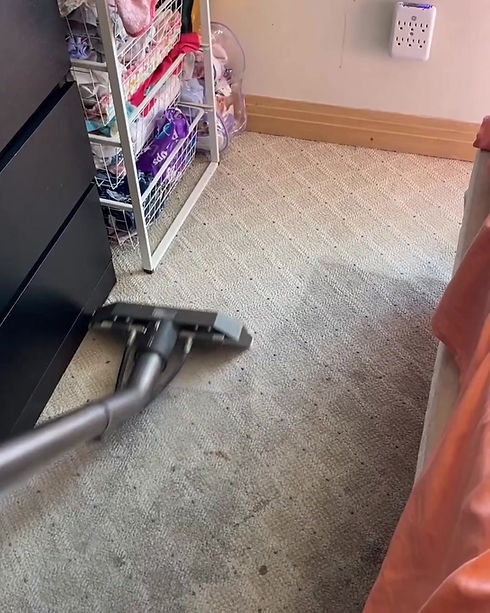
Professional cleaning is also worth considering when you are dealing with several rooms, heavy traffic soil, a move-out deadline, or an inspection. Rental properties and homes being listed for sale need more than a quick surface refresh. Deep extraction removes embedded soil and helps improve the overall appearance of the carpet without leaving it soaked for days.
Be careful with DIY rental machines, too. They can help in the right circumstances, but over-wetting is common when too much solution is used or extraction is incomplete. A carpet that stays damp too long can develop a musty smell, and wicking can pull old stains back to the surface as it dries.
At Ebert’s Carpet Cleaning, we use professional deep extraction methods designed to remove soil and residue while supporting faster drying. For stubborn pet odors, the goal is to identify the affected area, treat the source appropriately, and remove the contamination as thoroughly as the carpet and underlying materials allow. Honest expectations matter. If urine has reached the pad or subfloor, the right solution may involve more than cleaning the top of the carpet.
Choosing a Safer Cleaning Routine
A cleaner home does not require filling the closet with strong chemicals. A practical routine starts with quick attention to spills, regular vacuuming to remove dry soil, and professional cleaning before buildup becomes visible. This is especially useful in homes with pets, kids, muddy boots, or high-traffic entryways.
When choosing a spot cleaner, look for a product that clearly identifies its intended use and includes directions for carpet or upholstery. Use it only where needed. Keep the bottle in its original container, store it out of reach of children, and never transfer it into an unlabeled spray bottle.
For pet owners, it also helps to avoid steam or high heat on fresh urine stains before the source has been removed. Heat can set proteins in some stains and make cleanup more difficult. Blot first, treat correctly, and avoid covering an odor with fragrance.
A Cleaner Home Without Guesswork
Enzyme cleaners can be a safe and useful part of a home cleaning plan when they are chosen carefully and used as directed. They work best on the right type of mess, treated promptly, without over-saturating the area. When odors keep coming back or carpet needs a deeper reset, professional help can save time, protect your flooring, and give you a result you can actually see and smell.
If a carpet spot is becoming a bigger issue than a quick cleanup should be, asking for a clear assessment and upfront estimate is a sensible next step. Your home should feel clean, dry, and comfortable for every member of the household, including the four-legged ones.


Comments