



Enzyme Cleaner Versus Odor Masking: What Works?
A room can smell fresh for an hour and still have the same pet urine, spilled milk, food residue, or damp-carpet problem sitting below the surface. That is the real difference in the enzyme cleaner versus odor masking conversation. One approach is designed to address the material causing the smell. The other mainly changes what your nose notices for a while.
For homeowners, renters, landlords, and property managers, that difference can affect more than comfort. Lingering odors can lead pets back to the same spot, make a rental harder to turn over, and leave a poor first impression before a showing or inspection. Knowing when an enzyme product makes sense - and when professional cleaning is the better next step - can save time, money, and frustration.
Why odors come back after cleaning
Most stubborn odors have a source. In carpet and upholstery, that source may be organic residue from pet accidents, food, sweat, body oils, vomit, or tracked-in moisture. Pet urine is especially challenging because it can travel through carpet fibers into the backing, padding, and sometimes the subfloor. As moisture and humidity rise, odor-causing residue can become noticeable again.
A fragrance product may cover that smell temporarily. It can make a room more pleasant right away, which is why odor masking sprays have a place for a short-term refresh. But if the source remains in the fibers or beneath them, the scent fades and the original odor returns.
This is also why a carpet can look clean but still smell off. Surface appearance and odor removal are related, but they are not the same job. A visible stain may be small while the affected area below the carpet is much larger.
Enzyme cleaner versus odor masking: the practical difference
Enzyme cleaners are formulated to break down certain organic materials that cause odors and stains. When used correctly, they work on the residue itself rather than simply placing a stronger scent over it. They need contact time and enough moisture to reach the affected material. For a fresh, light accident on a washable surface, that can make them a useful first response.
Odor masking products work differently. They add fragrance or use odor-neutralizing ingredients to make the area smell cleaner. This can be helpful before guests arrive or as a finishing touch after the source has already been treated. The trade-off is that masking alone does not remove urine salts, food residue, or bacteria-feeding organic matter from carpet backing and padding.
Think of it this way: odor masking changes the air in the room. Enzyme treatment is meant to change what is producing the odor. Neither product is automatically the right choice for every situation, but they should not be treated as equal solutions to a deep contamination problem.
When an enzyme cleaner can help
An enzyme cleaner is often a reasonable option when you catch a fresh pet accident quickly, know exactly where it happened, and can follow the product directions closely. Blotting first is important. Scrubbing can spread the material deeper or damage carpet fibers, especially on delicate upholstery or area rugs.
After blotting, the affected area needs enough enzyme solution to reach where the accident reached. A light mist on top of a deep urine spot is unlikely to solve the problem. The product also needs proper dwell time. Wiping it up immediately may stop it from doing the work it was designed to do.
Always test an inconspicuous area first, particularly on upholstery, wool rugs, or colored fabrics. Use a pet-safe product as directed, keep children and pets away until the area is dry, and avoid mixing cleaners. Combining products can reduce effectiveness and may create unnecessary fumes or residue.
Even a good enzyme cleaner has limits. It may not fully resolve an old spot that has been treated repeatedly, a large accident that soaked into padding, or odors tied to moisture damage. In those cases, more solution is not always the answer. Oversaturating carpet can create longer dry times and can make a moisture problem worse.
Why fragrance can make diagnosis harder
Heavy fragrance can make it difficult to tell whether an odor is actually gone. A carpet may smell like perfume, flowers, or deodorizer immediately after treatment, yet the pet odor returns once that scent wears off. This is a common problem in rental units, move-out cleaning, and homes being prepared for sale.
Masking can also make it harder to locate the real source. If there are several pet accidents, spilled drinks, or damp areas, adding fragrance throughout the room may blur the clues. The better approach is to identify the source, treat it appropriately, and use a light neutral scent only if desired after cleaning.
There is one important exception: not every odor is organic. Smoke, mildew, chemical spills, and mechanical odors need their own solutions. If a musty smell is connected to a water leak, wet padding, or possible mold, the moisture issue needs to be corrected first. No enzyme cleaner or room spray can replace drying and repair.
Deep odor removal often needs extraction
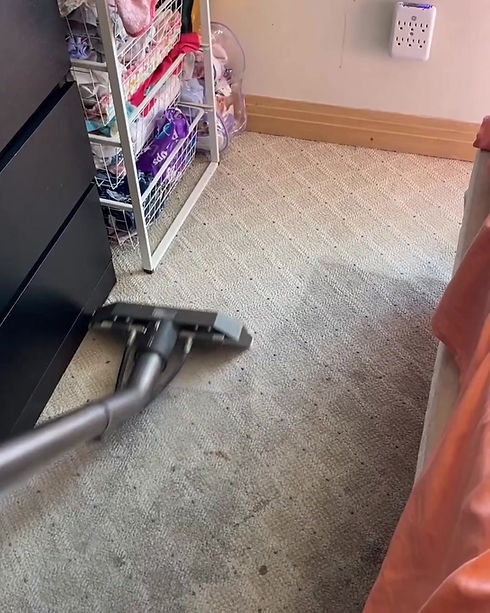
When odor has moved below the carpet surface, professional extraction can make a major difference. Deep cleaning removes embedded soil, residues, and moisture from carpet fibers. For pet odor treatment, the goal is not to make the carpet smell stronger. The goal is to address the affected area as thoroughly as the material and contamination allow.
At Ebert’s Carpet Cleaning, professional carpet cleaning is built around deep extraction, eco-friendly and pet-safe products, and fast-drying methods. That matters when you want a cleaner home without harsh chemical odors or a long wait to use the room again.
A professional assessment is especially worthwhile if an odor returns after do-it-yourself treatment, if you cannot identify the accident location, or if the spot has been there for weeks or months. Property managers and landlords may also benefit from an evaluation before spending money on repeated sprays, deodorizing bombs, or unnecessary carpet replacement.
In some severe cases, carpet cleaning alone cannot reach everything beneath the flooring. If urine has heavily saturated padding or reached the subfloor, additional treatment or material replacement may be needed. Honest odor removal means acknowledging that possibility upfront rather than promising that every odor will disappear with one scented product.
Common mistakes that keep odors in place
The most common mistake is using too little treatment product on a spot that has soaked deep into carpet. The second is treating the surface but skipping extraction, leaving loosened soil and residue behind. Another is using heat too soon. Heat can sometimes set certain stains or odors, so it is better to follow product instructions and use the right cleaning method for the material.
Homeowners also sometimes stack products: carpet shampoo, vinegar, baking soda, perfume spray, and an enzyme cleaner all on the same area. That can leave residue, alter the product chemistry, and make the carpet harder to rinse. A simpler plan usually works better: remove excess moisture, use the right treatment, allow appropriate dwell time, and dry the area thoroughly.
If you have pets, avoid punishing them for returning to a previously soiled spot. Their sense of smell is far stronger than ours. A recurring accident may mean they still detect residue, but it can also point to stress, routine changes, or a health concern worth discussing with a veterinarian.
Choosing the right solution for your space
For a small, fresh, known organic spill, an enzyme cleaner may be all you need. For a room that simply needs a pleasant short-term scent after it has been cleaned, odor masking can be fine in moderation. For recurring pet odor, old stains, large affected areas, or a move-out situation where first impressions matter, source removal and professional deep cleaning are usually the more dependable route.
The best test is simple: after the area is fully dry and any added fragrance has faded, does it still smell clean? If the answer is no, the source has not been fully addressed. A clean carpet should feel fresh because it is cleaner, not because it has been covered with a stronger scent.


Comments