



Does Cleaning Kill Dust Mites? What Really Works
If allergy symptoms seem worse in the bedroom, on the couch, or after the heat has been running, you may wonder: does cleaning kill dust mites? The honest answer is that some cleaning methods kill or remove mites, while others mostly pick up surface dust. The bigger goal is reducing the allergens dust mites leave behind, especially in carpets, upholstery, bedding, and other soft surfaces where families and pets spend time.
Dust mites are tiny creatures that feed on flakes of skin. They do not bite, and they are not a sign that your home is dirty. But their waste and body fragments can trigger allergy and asthma symptoms in sensitive people. Regular cleaning helps, but the method, temperature, and consistency matter.
Does Cleaning Kill Dust Mites or Just Move Dust?
A quick pass with a vacuum or a dust cloth can make a room look better, but it may not solve the dust mite problem by itself. Dust mites are small enough to settle deep in carpet fibers, upholstered furniture, mattresses, pillows, and fabric curtains. Their allergens can also cling to dust that gets stirred into the air during everyday activity.
Cleaning can help in three different ways: killing live mites, physically removing mites and allergen-containing dust, or making the environment less comfortable for mites. Not every job does all three.
Hot-water washing is one of the most reliable ways to kill dust mites in washable bedding. Washing sheets, blankets, pillowcases, and washable pet bedding in water that is at least 130 degrees Fahrenheit can kill mites. Drying items thoroughly on a hot setting adds another layer of control. If an item cannot handle hot washing, a long hot dryer cycle may still help, but always follow the fabric care label.
Vacuuming is valuable, especially when done slowly with strong suction and a quality filter. Still, vacuuming does not reliably kill dust mites. Its main job is to remove dust, skin flakes, mite particles, pet dander, and other debris from the surface and upper layers of carpet or upholstery. A vacuum with a sealed system and HEPA filtration can be a smart choice for homes managing allergies, since it is designed to keep more fine particles contained rather than sending them back into the room.
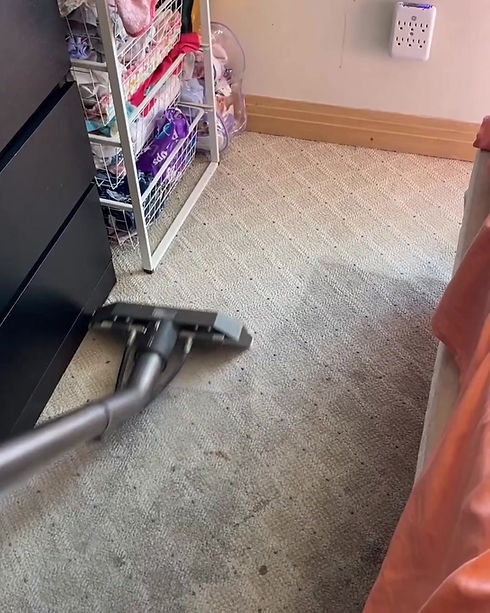
Steam and hot-water extraction can also make a difference, but results depend on the equipment, water temperature, dwell time, fabric type, and how thoroughly the surface is cleaned. Professional carpet cleaning is not a substitute for washing bedding, but it can remove a significant amount of embedded soil and allergens from carpeted areas and upholstered furniture.
Why Dust Mite Allergens Can Remain After Cleaning
Here is the part many homeowners miss: killing a dust mite does not automatically remove the allergen. The particles that cause symptoms can remain in the fabric or carpet until they are physically removed. That is why cleaning for dust mites is not a one-time treatment. It is a maintenance routine.
For example, spraying a product on a mattress may kill some mites, but the remains, waste particles, and dust can still be there. On the other hand, vacuuming may remove a portion of those particles without killing every living mite. The best approach usually combines washing, controlled humidity, regular vacuuming, and periodic deep cleaning of the soft surfaces that cannot go in a washing machine.
Carpet deserves special attention. Carpet is not automatically bad for allergy sufferers, but it acts like a filter. It catches dust, dander, outdoor soil, and fine debris instead of letting all of it circulate freely. That can be helpful until the carpet becomes overloaded. Once there is a buildup, walking, playing, vacuuming poorly, or moving furniture can release particles back into the air.
The Most Effective Cleaning Routine for Dust Mites
You do not need harsh chemicals to make progress. Dust mite control comes down to removing their food source, reducing moisture, and cleaning the places where allergens collect.
Start with the bed
Bedrooms are often the highest-priority area because people spend hours in bed every night. Wash sheets and pillowcases weekly in hot water when possible. Wash blankets, comforters, mattress covers, and washable pillow protectors regularly according to their care instructions. Allergen-resistant mattress and pillow encasements can create a barrier between you and what is already inside those items.
Mattresses cannot be washed, so vacuum the surface carefully with an upholstery attachment. Pay close attention to seams and edges. This will not sterilize the mattress, but it helps remove loose dust and allergens. Let the mattress air out fully before making the bed.
Keep indoor humidity in check
Dust mites prefer warm, humid conditions. In Minnesota, indoor humidity can change dramatically with the season. A home that feels comfortable can still have humidity levels that support mites, particularly in bedrooms, basements, and rooms with limited airflow.
Aim to keep indoor relative humidity below 50 percent when practical. A dehumidifier, bathroom exhaust fan, proper ventilation, and prompt attention to water leaks can all help. During a dry winter, there is no need to make the house uncomfortably dry. The point is steady moisture control, not chasing a perfect number every day.
Vacuum carpets and upholstery the right way
High-traffic rooms, pet areas, and bedrooms benefit from regular vacuuming. Move slowly enough for the vacuum to pull debris from the carpet pile. Make several passes in different directions in the areas people use most. Upholstered sofas, recliners, and fabric dining chairs should not be forgotten, since they collect skin flakes, pet hair, crumbs, and dust just like carpet does.
If allergies are severe, have the sensitive person leave the room while vacuuming and for a short time afterward. Even a good vacuum can temporarily stir settled particles. Empty the canister or replace the bag outside if possible, and clean filters as the manufacturer recommends.
Deep clean soft surfaces on a schedule
Routine vacuuming handles maintenance, but it cannot always reach the soil and allergen buildup below the surface. That is where professional carpet and upholstery cleaning earns its place. Deep extraction is especially useful after winter, during spring allergy season, after a pet accident, before welcoming a new baby, or when a room starts to look dull despite regular vacuuming.
At Ebert’s Carpet Cleaning, deep extraction methods are used to lift embedded soil from carpet while using eco-friendly, pet-safe products and fast-drying techniques. For families with children, pets, or allergy concerns, that means a cleaner surface without turning the home into a chemical-smelling, all-day project.
What About Steam Cleaners, Sprays, and Home Remedies?
Steam can kill dust mites when the surface reaches a high enough temperature for long enough, but home steam cleaners have limits. A carpet or upholstery surface may feel hot while deeper fibers remain cooler. Too much moisture can also create problems, particularly on mattresses, cushions, and carpet padding. If a surface stays damp, it can encourage mold growth or leave behind odors.
Dust mite sprays are another mixed option. Some are designed to reduce allergens or kill mites, but they should never be viewed as a complete solution. Read labels carefully, especially around children, pets, asthma, and sensitive skin. A spray that kills mites still leaves the need for vacuuming or extraction to remove the residue.
Freezing small washable items is sometimes suggested because prolonged freezing can kill mites. It may be useful for delicate stuffed animals that cannot be washed hot, but it does not remove allergens. Wash or vacuum the item afterward when the material allows it.
Avoid relying on strong fragrances, disinfectant foggers, or random chemical mixtures. Dust mites are not germs, and a heavily scented room is not necessarily a cleaner one. Straightforward cleaning, safe products, and moisture control are usually the more dependable path.
When Professional Cleaning Makes Sense
A professional cleaning appointment can be a practical next step when carpet feels gritty, upholstery has a lingering odor, pets spend time on furniture, or seasonal allergies keep returning. It is also helpful before move-outs, rental turnovers, showings, and family gatherings when you want the space to look clean and feel fresher.
Deep cleaning will not make a home permanently dust-mite-free. No realistic cleaning service can promise that. What it can do is remove built-up soil and allergen-containing debris from the surfaces that are hardest to wash at home. Combined with regular bedding care and humidity control, it can reduce the overall allergen load in the home.
If you are dealing with ongoing breathing symptoms, recurring congestion, or asthma flare-ups, talk with a healthcare professional as well. Cleaning is a meaningful part of allergen control, but personal health needs vary.
A cleaner home does not have to mean harsh products or a complicated routine. Start with the bed, vacuum with purpose, manage moisture, and schedule a deeper carpet or upholstery cleaning when everyday maintenance is no longer enough. Those practical steps give your family a more comfortable place to rest, play, and breathe.


Comments