



Best Carpet Cleaning for Allergies at Home
When allergy symptoms seem worse at home, the carpet may be holding more than visible dirt. Pollen, pet dander, dust mite debris, and tracked-in soil can settle deep into carpet fibers, then get stirred up by daily foot traffic. The best carpet cleaning for allergies is not simply the strongest-smelling cleaner or the quickest vacuum pass. It is a method that removes trapped buildup while leaving behind minimal moisture and residue.
For households in Braham and surrounding Minnesota communities, that matters most during pollen season, winter months when windows stay closed, and any time pets and kids spend a lot of time indoors. A cleaner carpet can support a more comfortable home, but the method and the maintenance schedule both make a difference.
What Allergens Hide in Carpet?
Carpet acts a little like a filter. Its fibers catch particles that would otherwise stay in the air, which can be helpful at first. The problem begins when that filter gets full. Walking across the room, sitting on the floor, vacuuming with poor suction, or even running the furnace can disturb settled particles.
Common carpet allergens include pollen brought in on shoes and clothing, pet dander, dust mite waste, mold spores, and fine outdoor soil. In homes with pets, dander often works its way below the surface where basic spot cleaning cannot reach. In a rental or busy commercial space, repeated traffic can press that material farther into the backing.
Carpet is not automatically a bad choice for people with allergies. The key is removing what the carpet has collected before it becomes a recurring source of irritation. That takes regular vacuuming and periodic professional cleaning that actually extracts soil rather than masking it.
Best Carpet Cleaning for Allergies: Deep Extraction Wins
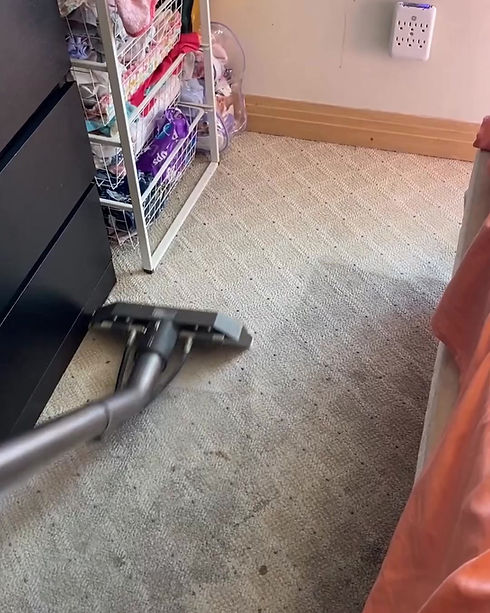
For most carpeted homes, hot water extraction is the most effective professional approach for allergy-related buildup. The process applies a controlled cleaning solution, agitates the fibers, and then uses powerful vacuum extraction to pull loosened soil, allergens, and moisture out of the carpet.
The important word is extraction. A cleaning method that leaves loosened dirt, soap, or excess water behind can create a different set of problems. Leftover detergent may make the carpet feel sticky and attract new soil faster. Too much moisture can lengthen drying time and, if a carpet stays damp for too long, contribute to musty odors or microbial concerns.
A professional deep-cleaning setup with strong recovery helps remove embedded material while keeping drying time practical. Equipment such as a Roto-Vac Power Wand can provide more consistent agitation and extraction across heavily used carpet, especially in traffic lanes, living rooms, entryways, and pet areas.
Dry cleaning and low-moisture methods can be useful in certain situations, particularly where immediate use is necessary. However, for a home with significant soil, pet dander, or seasonal allergens, those methods may not provide the same flushing action as a thorough extraction cleaning. The right choice depends on carpet type, how dirty it is, and how quickly the space needs to be back in use.
Low-Residue Products Matter Too
The cleaning solution is just as important as the machine. Harsh fragrances and heavy chemical residues are not a good fit for every household, especially where children, pets, or scent-sensitive family members are present.
Look for a service that uses eco-friendly, pet-safe products and applies them at the proper dilution. The goal is not to leave a strong perfume behind. It is to remove soil and odor sources, then rinse and extract thoroughly so the carpet feels clean rather than coated.
Be careful with do-it-yourself carpet shampoos that produce lots of foam. They can be tempting because they make a carpet look refreshed at first, but overuse or poor rinsing can leave residue deep in the fibers. If you rent a machine, use only the recommended amount of solution and make extra dry passes. Those slow vacuum-only passes are what pull out more moisture and suspended soil.
A Practical Allergy-Friendly Carpet Routine
Professional cleaning works best as part of a routine, not as a once-in-a-decade rescue job. How often you need service depends on the number of people and pets in the home, outdoor activity, and whether anyone has allergy or asthma concerns.
For many homes, vacuuming at least once or twice a week with a sealed vacuum and a quality filter is a solid starting point. Homes with shedding pets, active children, or high pollen exposure may benefit from more frequent vacuuming in main living areas. Go slowly enough for the vacuum to lift debris from the pile instead of just passing over the top.
Address spills and pet accidents quickly. Moisture and organic residue can become odor sources, and pets often return to areas they can still smell. Blot rather than scrub, avoid soaking the carpet, and use a cleaner suited to the specific stain. If odor remains after surface treatment, it may have reached the backing or pad and require professional pet odor removal.
Plan professional deep cleaning about every 6 to 12 months for a typical household. Consider shorter intervals if family members have pronounced allergies, if pets use the carpeted areas heavily, or if the home sees a lot of outside traffic. Property managers and landlords may also want cleaning between tenants, before showings, or after a move-out to reset the space for the next occupant.
Steps That Make Cleaning Results Last Longer
A deep cleaning gives you a cleaner starting point. A few simple habits help keep allergens from building back up quickly:
Place durable mats outside and inside entry doors, then clean them regularly.
Ask family and guests to remove shoes, especially during muddy, snowy, or high-pollen periods.
Change HVAC filters on schedule and consider a filter designed to capture finer particles.
Wash pet bedding often, and groom pets regularly to reduce loose hair and dander.
Keep indoor humidity moderate, since overly humid rooms can encourage dust mites and musty conditions.
These steps cannot eliminate every allergen, and no carpet cleaning service should promise that. Allergies have many triggers, including outdoor air, bedding, upholstery, and household dust. Still, reducing the load trapped in carpets can make a meaningful difference in how clean and comfortable a room feels.
Questions to Ask Before Booking a Carpet Cleaner
Not every professional carpet cleaning appointment delivers the same result. Before scheduling, ask whether the company uses true deep extraction, what kind of products it applies, and how it manages drying time. You should also know whether the quoted price includes the areas you need cleaned or whether extra fees may appear after the technician arrives.
A reliable local cleaner should be comfortable explaining the process in plain language. They should inspect concerns such as pet spots, heavily worn traffic lanes, stains, or odor before making promises. Some permanent stains may improve without disappearing completely, and odor treatment can require additional work if contamination has reached the pad or subfloor. Honest expectations are part of good service.
Fast drying is especially valuable for allergy-minded homes because it lets the carpet return to normal use sooner without leaving rooms damp all day. Good airflow can help after cleaning, so run the HVAC system as appropriate and avoid placing furniture back until the carpet is dry.
Ebert’s Carpet Cleaning offers deep extraction with eco-friendly, pet-safe products, straightforward upfront pricing, and a 100% satisfaction guarantee for homeowners, renters, and property managers who want a cleaner carpet without harsh chemicals or long downtime.
When Carpet May Need More Than Cleaning
Sometimes the issue is not surface-level soil. If a carpet has been repeatedly soaked, has widespread mold growth, smells musty even after drying, or shows damage from long-term pet contamination, cleaning alone may not be the right answer. A qualified professional can help identify whether treatment, repair, pad replacement, or carpet replacement makes the most sense.
For everyday allergy concerns, though, consistent vacuuming, quick spill response, clean entryways, and periodic professional extraction are a practical combination. Start with the rooms where your family spends the most time, keep the carpet dry after cleaning, and choose a service that focuses on removing buildup instead of covering it up.


Comments