



Are Enzyme Cleaners Pet Safe for Carpets?
A pet accident on the carpet can turn into more than a visible spot. Even after the stain fades, the odor can draw a dog or cat back to the same area. That is why many homeowners ask, are enzyme cleaners pet safe? In most cases, a quality enzyme cleaner is a good pet-friendly option when it is used exactly as directed and allowed to dry fully. But “enzyme” on the label is not an automatic safety guarantee.
The product formula, how much is applied, where it is used, and whether a pet can lick or walk through the wet area all matter. For homes in Braham and surrounding Minnesota communities, the practical goal is simple: remove the source of the odor without bringing harsh residues or unnecessary risks into the home.
Are Enzyme Cleaners Pet Safe? The Short Answer
Enzyme cleaners are generally considered safer for pets than heavily fragranced cleaners, bleach-based products, or cleaners that rely on strong solvents. They work by using enzymes to break down the organic material in urine, feces, vomit, food spills, and similar messes. Some formulas also contain beneficial bacteria that continue consuming odor-causing material while the treated area remains damp.
That process is useful because pet odor is rarely just sitting on the surface. Urine can travel through carpet fibers and padding, and sometimes reach the subfloor. A product that only perfumes the room may make the carpet smell better for a day, but it does not solve the reason the odor keeps returning.
Still, pets should not be allowed to drink the cleaner, lick a wet treated spot, or get it in their eyes. Even a pet-focused formula can cause stomach upset, skin irritation, or eye irritation if it is misused. The safest approach is to treat the area, keep pets away while it works and dries, then allow normal use once the carpet is dry and the product label says it is safe to reenter.
Why the Full Product Label Matters
“Natural,” “green,” and “enzyme-powered” are helpful descriptions, but they do not tell you everything about a cleaner. Enzymes are only one part of a formula. The product may also include fragrance, preservatives, surfactants, solvents, or disinfecting ingredients that affect how appropriate it is around pets.
Before using an enzyme cleaner, look for clear directions about carpet use, pet areas, dilution, dwell time, and reentry. A responsible manufacturer should state whether the product is designed for households with pets and provide first-aid directions if accidental exposure occurs.
Be especially cautious with products that have a strong perfume smell, vague instructions, or claims that they sanitize every surface without explaining the active ingredients. A strong fragrance can cover an odor without eliminating it, and some pets are sensitive to scented products. Cats in particular may react poorly to strong smells and may avoid the treated room altogether.
If your pet has respiratory problems, sensitive skin, allergies, or a habit of licking carpets, it is wise to ask your veterinarian about product ingredients before treating a large area. That extra step matters more when cleaning bedding, crates, favorite sleeping spots, or upholstery your pet frequently contacts.
Enzyme cleaners are not the same as disinfectants
This distinction can save a lot of frustration. An enzyme cleaner is intended to digest organic residue and reduce odor. A disinfectant is intended to kill certain germs. Some products attempt to do both, but the directions and safety precautions can be different.
For routine pet urine and odor treatment, an enzyme cleaner is often the better starting point because it addresses the residue that feeds lingering odor. If there is a specific sanitation concern, follow veterinary or medical guidance rather than mixing products on your own.
Never combine an enzyme cleaner with bleach, ammonia, hydrogen peroxide, vinegar, or another carpet chemical unless the manufacturer specifically directs you to do so. Mixing cleaners can reduce the enzyme’s effectiveness, damage carpet fibers, create harsh fumes, or create an unsafe chemical reaction.
How to Use Enzyme Cleaner Safely Around Dogs and Cats
Safe use is mostly about patience. Pet accidents are stressful, especially when they happen on a light-colored carpet or right before company arrives, but rushing the process often leaves odor behind.
Start by blotting fresh urine with clean white towels. Press down firmly to absorb as much moisture as possible, but avoid scrubbing. Scrubbing can push the contamination deeper into the carpet and spread it across more fibers.
Apply enough enzyme cleaner to reach as deeply as the original accident did. For a small, fresh spot, that may mean a light application. For an older or repeatedly used area, the cleaner may need to reach the backing and padding. Follow the label for how long the product should remain wet. Enzymes need time to work, and wiping the product away immediately can make treatment much less effective.
Once the cleaner is applied, block access to the area. Close the door, use a pet gate, place a laundry basket upside down over a small spot, or keep your pet in another room. Do not let a dog lie on a wet carpet or let a cat investigate and lick the area. When the carpet has dried completely, vacuum it if the label recommends it and check for remaining odor.
Good ventilation helps the carpet dry and keeps the room comfortable. Open a window when weather allows, run ceiling fans, or use a portable fan. Fast drying is especially helpful in Minnesota homes during wet weather, when humidity can make carpeting feel damp longer than expected.
When DIY Enzyme Cleaning May Not Be Enough
Enzyme cleaners can work very well on a fresh, isolated accident. They are less dependable when the urine has been sitting for weeks, has been treated repeatedly with the wrong product, or has soaked through the carpet padding. In those situations, the odor may seem gone until humidity rises or the room warms up.
Repeated accidents can also create a larger hidden problem than the visible stain suggests. A pet may use the edge of a rug, the side of a sofa, a closet corner, or the same patch near a door several times. Surface spraying cannot always reach every affected layer.
Professional pet odor removal is often the practical choice when you notice persistent odor after cleaning, dark spots returning after drying, a pet repeatedly marking the same location, or odor coming from carpet that looks clean. A trained cleaner can inspect the affected area, use the right treatment for the material, and extract contamination rather than simply adding more product to the carpet.
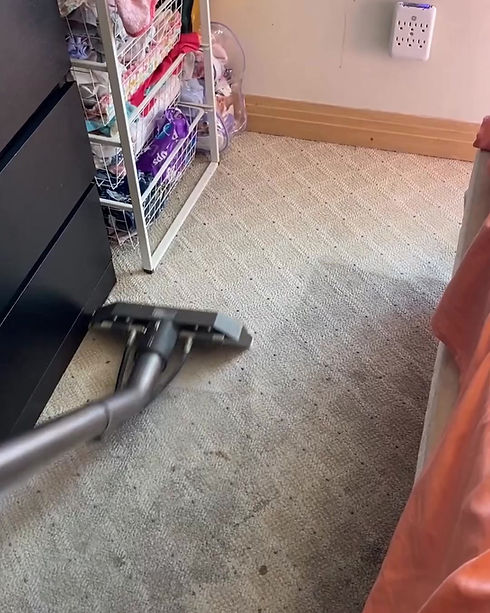
At Ebert’s Carpet Cleaning, pet odor treatment is paired with deep extraction methods designed to remove embedded soil and residue while helping carpets dry faster. That matters because a cleaner carpet should not leave your home with harsh chemical odors or days of damp flooring.
Upholstery and rugs need a different level of care
Do not assume a carpet enzyme cleaner is automatically safe for every fabric. Upholstery, area rugs, wool, silk, leather, and antique textiles can react differently to moisture and cleaning agents. Test an inconspicuous area first, use only the amount directed, and avoid soaking cushions or delicate rug backings.
If urine has reached a cushion insert or the underside of an area rug, surface treatment may not solve the odor. Overwetting can also lead to water marks, color changes, or slow drying. This is one of those cases where a professional assessment can prevent a small accident from becoming a replacement expense.
A Few Pet-Safe Cleaning Habits That Make a Difference
Store all cleaning products where pets cannot reach them, even products labeled pet safe. Keep bottles closed, clean up drips right away, and do not leave towels saturated with cleaner on the floor. After treatment, wash your hands before handling food or pet toys.
Avoid using ammonia-based cleaners on urine spots. Urine contains ammonia-like compounds, and the smell may encourage some pets to mark the same area again. Skip heavily fragranced products as well if they only mask the odor. The best result is a carpet that is genuinely clean, not one that smells like perfume over pet urine.
If your pet swallows cleaner, has trouble breathing, vomits repeatedly, shows unusual drooling, or gets cleaner in the eyes, contact your veterinarian or a pet poison resource promptly. Bring the product container or take a photo of the label so the ingredients can be identified quickly.
A clean home and a pet-friendly home should be the same thing. Choose products with clear directions, give enzyme treatments enough time to work, and do not hesitate to get help when a stubborn odor has settled below the surface. The right cleaning method protects your carpet, helps discourage repeat accidents, and keeps the spaces your family and pets share feeling comfortable again.


Comments