


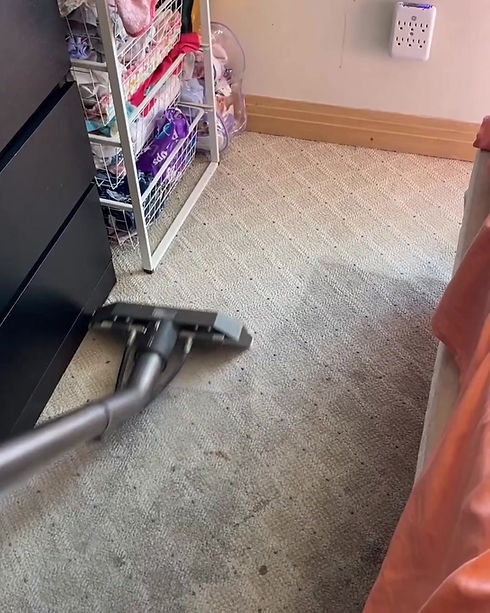

Carpet Deodorizer That Actually Removes Odors
A room can look perfectly clean and still have that unmistakable smell when you walk in: wet dog, old food, smoke, mildew, or a lingering pet accident. A carpet deodorizer may make the room smell better for a few hours, but real odor removal depends on what caused the smell and how far it traveled into the carpet.
For homes, rentals, offices, and apartments around Braham, a fresh-smelling carpet is more than a finishing touch. It affects how comfortable a home feels, how a property shows to the next tenant, and whether visitors notice the care you put into a space. The right approach removes odor at the source instead of covering it with a stronger fragrance.
What a Carpet Deodorizer Can and Cannot Do
A carpet deodorizer is designed to neutralize or reduce unpleasant smells in carpet fibers. Some products use fragrance to mask odors, while others use odor-neutralizing ingredients that bind to or break down odor-causing particles. The difference matters.
A lightly musty smell from everyday foot traffic, cooking, or a carpet that simply needs maintenance may respond well to a quality deodorizing treatment. But if the odor comes from pet urine, spilled milk, smoke residue, mold, or water damage, the source is often below the carpet surface. The fibers may smell fresh while the backing, padding, or subfloor continues to release odor.
That is why a deodorizer works best as part of cleaning, not as a substitute for cleaning. If soil, oils, bacteria, or residue remain in the carpet, the smell often returns as humidity rises or the room warms up.
Why Carpet Odors Keep Coming Back
Most recurring carpet odors have a simple explanation: the material causing the odor was not fully removed. Spraying air freshener or shaking powder over the carpet changes what you smell temporarily, but it does not change what is in the carpet.
Pet accidents are the most common example. Urine can soak through carpet fibers into backing and padding, especially if an accident was not found right away. As the area becomes damp from humidity or cleaning, old urine crystals can reactivate and bring the smell back. A surface cleaner may improve the spot, but deeper treatment is often needed.
Food and drink spills can cause a similar problem. Milk, protein-based foods, grease, and sweet drinks can leave behind residue that feeds odor-causing bacteria. Smoke is another challenge because residue can settle over a large area, including carpet, upholstery, drapes, and HVAC surfaces. Treating only one surface may not fully solve the issue.
Moisture deserves special attention. If a carpet smells earthy, sour, or mildew-like after rain, a spill, or a plumbing issue, do not rely on fragrance to cover it. The carpet needs to dry completely, and the moisture source needs to be addressed. Persistent dampness can create a bigger indoor air quality problem than an unpleasant smell.
Choosing the Right Carpet Deodorizer for the Job
The best product depends on the cause of the odor, the type of carpet, and who uses the space. Homes with children and pets need products used according to their label directions, with attention to dry time and ventilation. A strong perfume is not proof that a product is safer or more effective.
For routine freshening, a light deodorizing treatment after vacuuming can be enough. Avoid overapplying powders, especially if your vacuum struggles to remove fine residue. Powder left behind can settle deep into carpet, collect in vacuum filters, and combine with moisture or spills later.
For a specific stain or pet area, choose a product made for that source rather than a general room fragrance. Enzyme-based odor treatments are commonly used for organic messes because they target the material left behind by the accident. They need enough contact time to work, so rushing to blot or rinse them away can reduce results.
Before using any product, test it in a hidden area and follow the manufacturer’s instructions. More product does not always mean better odor removal. Oversaturating carpet can leave residue, lengthen dry time, or push contamination deeper into the backing.
When Home Deodorizing Makes Sense
Do-it-yourself deodorizing can be a reasonable first step when the odor is mild, recent, and limited to a small area. Start by vacuuming slowly and thoroughly. Dry soil, pet hair, and crumbs trap odors and make every product work harder.
If there is a fresh spill, blot it promptly with clean white towels. Work from the outside of the spot toward the center to avoid spreading it. Do not scrub aggressively, since scrubbing can damage carpet fibers and push the spill down into the carpet.
After treating the area, allow it to dry fully before deciding whether the odor is gone. A damp carpet can smell different than a dry carpet, and some odor issues are only noticeable once the room warms up again. Open windows when weather allows, run ceiling fans, and keep foot traffic off the area until it is dry.
Home care is also useful between professional cleanings. Regular vacuuming, quick spill response, and controlling pet access to problem areas can make a noticeable difference. Still, a recurring odor is a sign to stop adding more fragrance and look for the source.
When Professional Odor Removal Is the Better Choice
Professional cleaning is the better option when the odor is strong, widespread, old, or returns after you have cleaned the area. It is especially helpful for pet urine, move-out cleaning, tenant turnover, smoke odor, heavy traffic soil, and carpets affected by spills that reached the padding.
A professional can inspect the affected area, identify likely odor sources, and use deep extraction to remove embedded soil and residues. This is not the same as simply making the carpet wet. The goal is to flush out what is trapped in the fibers while using methods that support a faster dry time.
At Ebert’s Carpet Cleaning, odor treatment is paired with deep carpet cleaning and pet-safe, eco-friendly product options. Our equipment and cleaning methods are selected to lift more soil from carpet while helping homes and businesses get back to normal without long downtime. You receive upfront pricing, clear recommendations, and a 100% satisfaction guarantee.
There are limits to every cleaning method, and an honest company should explain them. If contamination has soaked heavily into padding or reached a wood or concrete subfloor, the carpet may require additional treatment or repair beyond standard cleaning. Addressing that early is usually less expensive and less frustrating than repeatedly buying products that only mask the smell.
A Better Plan for Pet Odors
Pet odors are often the reason people search for a carpet deodorizer in the first place. The key is finding every affected area, not just the spot that looks stained. Older accidents can dry clear, especially on darker carpet, but still leave odor behind.
If your pet returns to the same area, the lingering scent may be part of the reason. Thorough odor removal helps reduce that pattern, though behavior and training may also play a role. Keep pets away from treated areas until they are dry, and do not use harsh products that could irritate paws or leave a sticky residue.
For several accidents, a large affected room, or a strong smell that becomes worse on humid days, schedule an assessment rather than guessing. A targeted treatment plan is more effective than treating the entire house with heavily scented powder.
Keeping Carpet Fresh Between Cleanings
The easiest way to manage carpet odor is to prevent buildup. Vacuum high-traffic areas regularly, clean spills the same day, and use entry mats to reduce the dirt, salt, and moisture tracked in from outside. In Minnesota, winter slush and spring mud can put more into carpet than most homeowners realize.
Keep indoor humidity at a reasonable level, especially in basements and lower-level rooms. If a carpet stays damp after cleaning, investigate why. Good airflow and prompt drying protect both the carpet and the air in your home.
For rental owners and property managers, schedule carpet cleaning before showings or tenant move-in rather than waiting until odor complaints appear. Clean, neutral-smelling carpet makes a property feel cared for and helps avoid last-minute turnover delays.
A carpet should smell clean, not heavily perfumed. When deodorizing is matched to a thorough cleaning and the actual source of the problem, the result is a space that feels fresher the moment someone walks through the door.


Comments