


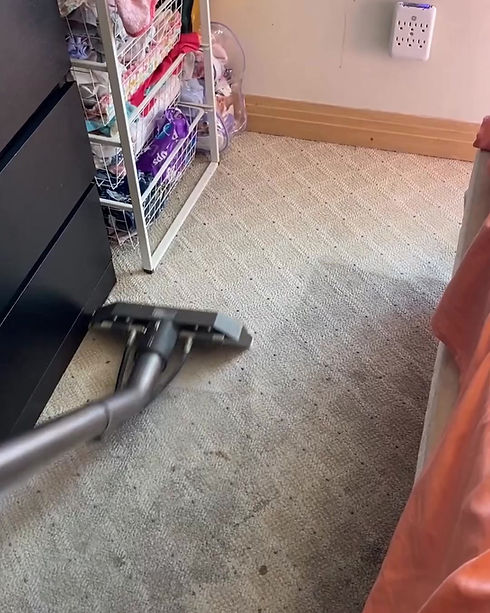

How to Remove Pet Odor From Carpet
That faint pet smell usually shows up at the worst time - when guests are coming over, when you are trying to get a rental ready, or right after you thought the carpet was finally clean. If you are wondering how to remove pet odor from carpet, the key is not covering it up. You have to reach the source, break down the residue, and clean deep enough that the smell does not keep coming back.
Pet odor is stubborn because it is rarely just sitting on the surface. Urine can soak through carpet fibers, into the backing, and sometimes into the pad underneath. Dander, oils, and tracked-in messes can also build up over time and leave a musty or animal smell even when there is no obvious stain. That is why a quick spray of air freshener or a pass with a store-bought shampoo machine often gives only temporary relief.
Why pet odor keeps coming back
Most recurring odor problems come down to residue. When a spot is not fully removed, bacteria keep feeding on what is left behind. Moisture can reactivate old urine deposits, especially during humid weather. A carpet may smell fine when dry, then suddenly smell stronger after a rainy day or after a basic cleaning that adds too much water.
There is also a difference between a fresh accident and an older odor problem. Fresh spots are usually easier to treat if you catch them right away. Older stains are more likely to have spread wider than they look, and they may have reached the carpet pad. In those cases, surface cleaning is not enough.
How to remove pet odor from carpet the right way
Start by locating the affected areas as accurately as you can. If the odor is strong but the stain is hard to see, a small flashlight or black light can help identify older urine spots. Once you know where the problem is, blot any damp area with clean white towels. Press firmly to pull up as much moisture as possible, but do not scrub. Scrubbing can push the mess deeper and damage the carpet fibers.
After blotting, use an enzyme-based pet odor remover. This matters more than many people realize. Standard carpet spot cleaners may lighten the stain, but enzymes are designed to break down the organic material that causes the smell. Follow the product directions carefully and give it enough dwell time. Rushing this step is one of the main reasons DIY odor treatment fails.
The area should be dampened enough for the product to reach below the surface, but not soaked to the point that you create a larger wet zone. That balance matters. Too little solution will not reach the source. Too much can spread the contamination or slow drying.
Once the treatment has had time to work, blot again and let the area air dry fully. You can place a fan nearby to speed up drying. Avoid steam cleaning the spot right away unless the product label says it is safe to do so. Heat can sometimes set certain stains or interfere with enzyme action.
What not to do when treating pet odor
A lot of carpet damage happens with good intentions. Bleach is too harsh for most carpet and can permanently discolor fibers. Strong household cleaners may leave behind residue or fumes that are not a great fit for homes with kids and pets. Vinegar can help in some cleaning situations, but it is not always enough for deep urine odor, especially if the contamination has soaked below the carpet surface.
Over-wetting is another common mistake. Rental machines and consumer carpet cleaners often use more water than people realize, and if extraction is weak, the carpet can stay wet too long. That does not just leave you with slow drying. It can also contribute to musty smells and wick old stains back to the surface.
And while baking soda can help absorb light surface odor, it is not a cure for a deep pet problem. It is better thought of as a temporary helper, not the main solution.
When DIY works - and when it usually does not
If the accident is fresh, limited to a small area, and treated quickly with the right enzyme product, DIY can work well. The sooner you respond, the better your odds of removing both the stain and the smell before they settle in.
It gets trickier when the odor has been around for a while, when there have been repeated accidents in the same spot, or when the smell covers an entire room. In those cases, the issue is usually deeper than the carpet face fibers. Property managers and landlords see this all the time during turnover cleaning. Homeowners often notice it after moving furniture or when the weather changes.
Older carpets also bring a trade-off. Some can be restored very well with deep extraction and odor treatment. Others have contamination in the pad or subfloor that may require more than standard cleaning. A trustworthy cleaner should be honest about that instead of promising a miracle.
Professional pet odor treatment makes a difference
Professional cleaning is not just about making the carpet look better. It is about flushing out what is trapped below the surface while controlling moisture and drying time. That is especially important with pet odor, where the goal is to remove the source instead of masking it.
A deep extraction process can pull out urine residue, bacteria, dander, and embedded soil that household equipment leaves behind. Better equipment also helps recover more water, which means faster drying and less risk of lingering damp smell. For many families, that is a big part of the value. You want a clean carpet without harsh chemicals and without having to tiptoe around wet rooms for days.
For homes with children and pets, product choice matters too. Eco-friendly, pet-safe solutions are a better fit than overly perfumed cleaners that simply cover up odor for a short time. In our area, many customers are looking for that balance - strong enough to get results, safe enough for daily family life.
Signs the odor problem is deeper than it looks
Sometimes the carpet is telling you the issue goes beyond a simple spot treatment. A smell that returns after every cleaning is one sign. Another is odor concentrated in one room even though the carpet looks fairly clean. You may also notice yellowing, recurring stains, or pet attention on the same area again and again.
If you lift a corner of the carpet and find staining on the backing, the pad may be involved. At that point, a surface product is unlikely to solve the whole problem. The same is true in move-out situations where pets had repeated access to one area over months or years.
That does not always mean replacement is necessary. But it does mean the cleaning approach should match the real depth of the problem.
How to keep pet odor from settling back in
Once the odor is removed, maintenance makes a difference. Clean accidents right away, and do not wait to see if the smell fades on its own. Vacuum regularly to reduce dander and hair buildup, especially in rooms where pets spend most of their time. Wash pet bedding often, since odors can transfer back onto clean carpet from nearby fabrics.
It also helps to schedule deep carpet cleaning before the problem becomes overwhelming. Routine service is usually easier and less costly than waiting until every room smells affected. For busy households, rentals, and commercial spaces with pet traffic, a maintenance plan can prevent a small issue from becoming a full odor restoration job.
At Ebert's Carpet Cleaning, that practical approach matters. People want clear pricing, fast scheduling, safe products, and results they can actually see and smell. Fair enough. If a carpet can be cleaned and refreshed properly, that is the goal. If the odor goes deeper, it is better to know that upfront than waste time on half-measures.
Pet odors can make a home feel less clean even when everything else is in order. The good news is that the smell usually has a fix - but the fix has to reach the source. When you treat the right area, use the right product, and get enough extraction power behind the cleaning, your carpet has a much better chance of smelling like home again.


Comments