



Best Carpet Cleaning Methods for a Healthier Home
Carpet can look fine from across the room while holding weeks of tracked-in grit, pet hair, food crumbs, and winter moisture near the backing. That is why finding the best carpet cleaning methods is less about one miracle product and more about matching the cleaning approach to the soil, stain, carpet type, and condition of your home.
For families, pet owners, renters, landlords, and business owners around Braham, Minnesota, the right method should do more than brighten the surface. It should remove embedded soil, be safe around kids and pets, and let you get back to normal without waiting days for carpet to dry.
Best Carpet Cleaning Methods: What Works and When
Every carpet cleaning method has a place. A quick spot treatment may be enough for a fresh coffee spill, while a heavily traveled living room or rental unit usually needs deeper extraction. The key is knowing what each method can realistically do.
Routine vacuuming prevents deep soil buildup
Vacuuming is not a replacement for professional cleaning, but it is the first line of defense. Dry soil has sharp edges, and every step across a dirty carpet can grind that grit deeper into the fibers. Over time, this causes traffic lanes to look dull and wear faster.
Most homes benefit from vacuuming high-traffic areas two or three times a week. Homes with shedding pets, young children, or busy entryways may need more frequent attention. Move slowly, use overlapping passes, and take extra time around sofas, hallways, stairs, and exterior doors.
Vacuuming works best on loose debris and dry soil. It will not remove oily residue, set-in stains, odors, or the sticky buildup that makes carpet attract dirt again quickly.
Spot cleaning handles fresh spills
The faster you address a spill, the more likely you are to avoid a permanent stain. Start by blotting with a clean white towel. Press down firmly and lift the spill out. Avoid scrubbing, which can spread the stain, damage carpet fibers, and push the liquid deeper into the backing.
Use a carpet-safe spot cleaner that matches the type of stain when possible. For example, pet accidents and food spills often need different treatment than ink or grease. Always test a cleaning product in an inconspicuous area first, especially on darker carpet or natural fibers.
A common mistake is using too much cleaner. Leftover soap can create a sticky patch that attracts soil. Another is soaking the area with water, which can lead to wicking, where a stain seems gone but returns as the carpet dries. Light application, gentle blotting, and thorough drying are usually the better approach.
Carpet shampooing can refresh lightly soiled carpet
Carpet shampooing uses a foaming or liquid detergent to loosen soil before it is scrubbed into the carpet and removed. It can improve the appearance of lightly soiled carpet, particularly when used with rental machines or home carpet cleaners.
The trade-off is residue. If shampoo is not fully rinsed and extracted, it can leave behind detergent that attracts dirt. Over-wetting is another concern, especially with thick carpet, older padding, or areas with limited airflow. Carpet that stays wet too long can develop odor issues and create conditions for mold growth below the surface.
Shampooing may work for a short-term refresh, but it is usually not the best choice for deeply soiled rooms, strong pet odors, or a property that needs a truly clean result before a move-out inspection or showing.
Dry compound cleaning offers a low-moisture option
Dry compound cleaning uses absorbent cleaning granules that are worked into the carpet. The compound attracts soil and is then vacuumed away. Because it uses very little moisture, this method can be useful in offices, retail spaces, and other areas where fast return-to-use matters.
It can be a practical maintenance option for commercial carpet with light to moderate surface soil. However, it may not provide the deep flush needed to remove heavy buildup, sticky spills, or contaminants that have reached the carpet backing. It is also less effective when odor problems are coming from pet urine beneath the fibers.
For a business that needs clean-looking carpet between deeper services, low-moisture cleaning can make sense. For a family room with visible traffic lanes and pet accidents, a deeper process is often the better investment.
Hot water extraction provides the deepest clean
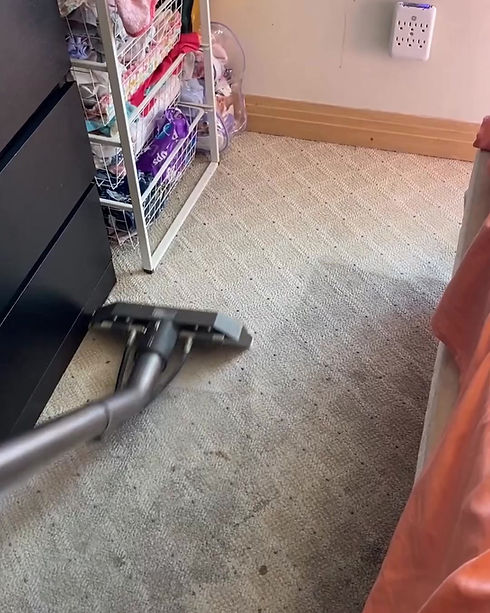
Hot water extraction, often called steam cleaning, is one of the most effective methods for removing embedded soil from residential and commercial carpet. Despite the common name, professional equipment typically uses heated water and cleaning solution, then immediately extracts the loosened soil and moisture.
This process is especially useful for high-traffic areas, homes with pets, move-out cleaning, rental turnovers, and carpet that has not been professionally cleaned in a while. A professional technician can pre-treat stubborn areas, use the right solution for the carpet, agitate the fibers, and extract more thoroughly than most rental machines.
At Ebert’s Carpet Cleaning, deep extraction methods and equipment such as the Roto-Vac Power Wand are used to lift more soil while helping carpet dry faster. That matters in Minnesota homes, where closed windows and cold weather can slow drying for much of the year.
A proper hot water extraction service should not leave carpet soaked. Drying time varies based on humidity, carpet thickness, ventilation, and how heavily soiled the carpet was, but good extraction and airflow help reduce downtime. Opening interior doors, running ceiling fans, and keeping pets and foot traffic off the carpet until it is dry can help.
Choosing a Method Based on Your Carpet Problem
The best method depends on what is actually in the carpet. If you are dealing with ordinary dry debris and light surface soil, regular vacuuming and careful spot treatment may keep things under control. If carpet looks gray in traffic lanes, feels stiff, or has not had a deep cleaning in a year or more, extraction is usually the stronger choice.
Pet odor requires special attention. Surface cleaning can make the carpet smell better for a day, but urine can travel through the carpet into the pad and sometimes the subfloor. Effective pet odor removal often requires locating the affected area and treating the source, not simply applying fragrance over it.
For renters and landlords, the condition of the carpet determines the right level of service. A lightly used bedroom may only need basic cleaning, while a living room with food stains, pet hair, and furniture marks may need pre-treatment and deep extraction. Honest upfront pricing should reflect the actual condition of the carpet, without surprise charges after the work begins.
Why DIY Machines Have Limits
Rental carpet cleaners can be useful for a small spill or an occasional refresh, but they have limitations. Many do not provide the suction power, heat, agitation, or recovery capacity of professional equipment. That can leave more moisture and cleaning residue behind.
DIY cleaning can also create problems when the wrong product is used, too much solution is applied, or a stain is treated in a way that sets it permanently. Bleach-based products, harsh degreasers, and excessive scrubbing can damage color and texture. If a stain has already been treated several times without improving, it is usually time to stop experimenting and have it assessed professionally.
Professional cleaning is not just about stronger equipment. It is about using the correct process for the fiber, soil level, stains, and moisture conditions in the room. That is particularly valuable when you are preparing for guests, listing a home, turning over a rental, or trying to protect carpet you plan to keep for years.
How Often Should Carpet Be Professionally Cleaned?
Most homes benefit from professional carpet cleaning every 12 to 18 months. Homes with pets, children, allergies, or frequent visitors may need service every 6 to 12 months. Businesses, rental properties, and high-traffic common areas often need a schedule based on use rather than the calendar.
Waiting until carpet looks visibly dirty is usually waiting too long. By that point, soil may already be wearing down the fibers. Regular maintenance helps preserve appearance, reduce odors, and extend the useful life of your flooring.
If your carpet is due for more than a surface refresh, choose a cleaning method that removes the soil you cannot see. A free estimate, clear explanation of the process, and a satisfaction guarantee make it easier to schedule the right service with confidence.


Comments