



Commercial Office Carpet Cleaning That Works
A lobby carpet can look worn out long before it is worn out. In Minnesota offices, tracked-in snow salt, sand, coffee drips, and daily foot traffic work their way below the surface, where routine vacuuming cannot reach. Professional commercial office carpet cleaning removes that hidden buildup so your workplace looks cared for, smells fresh, and feels more welcoming to employees and visitors.
For small offices, clinics, rental offices, retail spaces, and shared work areas, clean carpet is not just a cosmetic detail. It is part of the impression people form the minute they walk through the door. The right cleaning plan also protects your flooring investment and helps avoid the disruption of replacing carpet before its time.
Why Office Carpet Gets Dirty So Fast
Office carpet collects more than visible dirt. Fine grit acts like sandpaper under shoes and chair wheels, gradually dulling fibers and causing traffic lanes to look gray or matted. Moisture from wet boots can carry in road salt and soil, while break rooms and desks bring their own mix of spills, crumbs, and stains.
A vacuum is still essential, but it is maintenance, not a full reset. Even a well-vacuumed carpet can hold fine particles, oils, and allergens near the base of the fibers. That is why carpet may look flat, smell stale, or show dark walkways despite regular janitorial care.
The good news is that many of these issues respond well to deep extraction when they are addressed early. Waiting until the carpet looks severely soiled usually means more spotting, more permanent wear, and a tougher cleaning job.
What Commercial Office Carpet Cleaning Should Include
A professional visit should be built around your space, not a one-size-fits-all routine. A quiet accounting office with a few employees has different needs than a busy reception area, daycare office, or storefront with customers coming in all day.
The process normally starts with an inspection of traffic areas, stains, carpet condition, furniture layout, and any odor concerns. This gives you a clear picture of what can reasonably be improved before work begins. Honest expectations matter. Most food spills, tracked-in soil, and everyday stains can be treated successfully, but old dye stains, bleach spots, and damaged fibers may not disappear completely.
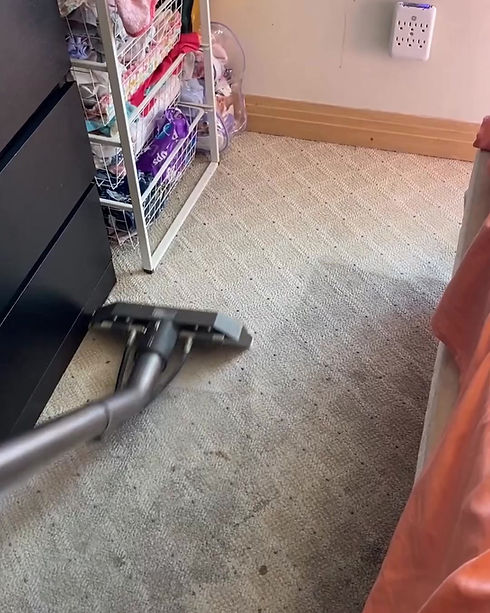
Next comes targeted spot treatment and deep cleaning. At Ebert’s Carpet Cleaning, fast-drying extraction methods and equipment such as the Roto-Vac Power Wand help lift embedded soil from the carpet while reducing excess moisture. The goal is not to soak the flooring. It is to remove the dirt that makes carpet look tired while helping your office get back to normal sooner.
For businesses with children, pets, or staff sensitive to harsh fumes, product choice matters too. Eco-friendly, pet-safe cleaning products can provide a thorough clean without leaving behind an overpowering chemical smell. That makes a difference when people need to return to the space the same day.
How Often Should an Office Schedule Cleaning?
There is no single schedule that fits every business. The right frequency depends on foot traffic, weather, the type of work performed, and how visible the carpet is to customers.
A low-traffic professional office may do well with deep cleaning once or twice a year, paired with regular vacuuming and quick spill response. A lobby, retail space, property management office, or other customer-facing location may need cleaning every three to six months. During winter and spring thaw, entryways and main walkways often need extra attention because of salt, moisture, and grit.
Instead of waiting for the whole office to look dirty, pay attention to the first signs: dark traffic lanes, lingering odors, flattened carpet, recurring spots, or an entrance that no longer looks inviting. Cleaning at that stage is usually more effective and more cost-conscious than delaying service until replacement is being discussed.
Timing the Job Around Your Workday
The biggest concern for many office managers is downtime. You need clean floors, but you cannot shut down the business for days. A dependable commercial cleaner should help you plan around staff schedules, customer hours, and access needs.
For some workplaces, early morning, late afternoon, or a quieter weekday is the best fit. Other offices can have small sections cleaned in stages so staff can continue working in unaffected areas. The best option depends on the layout of your building and how quickly the space needs to be back in use.
Fast drying is especially valuable here. Carpet that stays wet too long can create inconvenience, attract new soil from foot traffic, and leave a musty smell. Good airflow, proper extraction, and a realistic plan for walking on the carpet all help shorten the drying window. Your cleaner should give you straightforward guidance before the appointment, including whether furniture needs to be moved and when employees can safely return to the cleaned areas.
The Difference Between a Quick Clean and a Lasting Result
Not every carpet cleaning method delivers the same result. A surface-level clean may brighten the carpet for a short time, but it can leave behind the soil that causes traffic lanes to return quickly. On the other hand, overly aggressive cleaning or too much water can create its own problems.
A lasting result comes from balancing agitation, appropriate cleaning solutions, strong soil extraction, and controlled drying. That is why method matters as much as the machine itself. The cleaner should choose an approach suited to the carpet type, the amount of soil, and the specific stains in your workplace.
Clear communication matters just as much. You should know the price before service begins, what areas are included, and whether any heavy soil, odor treatment, or upholstery cleaning requires additional work. Upfront pricing with no hidden fees makes it easier to budget and avoids an uncomfortable surprise at the end of the job.
Simple Habits That Keep Office Carpet Looking Better
Professional cleaning works best when everyday care supports it. Place quality mats inside and outside entrances, then clean those mats regularly so they continue catching dirt instead of redistributing it. Vacuuming high-traffic areas several times each week is usually more effective than an occasional rushed pass through the entire office.
Ask staff to report spills right away. Blotting a fresh spill with a clean white towel is better than scrubbing, which can spread the stain and push it deeper into the fibers. Avoid using random store-bought chemicals without checking whether they are safe for your carpet. Some products leave a sticky residue that attracts dirt and makes the spot return faster.
Chair mats can help in desk areas where rolling office chairs create concentrated wear. It also helps to rotate movable furniture from time to time, especially in waiting rooms and conference spaces, so traffic patterns do not become permanent lines in the carpet.
Choosing a Local Cleaning Company You Can Trust
When you hire a commercial cleaner, you are trusting someone with your business space, schedule, and professional image. Look for a local provider that responds promptly, provides a free estimate, explains the process clearly, and stands behind the work. Same-day or next-day availability can be especially helpful when you are preparing for an inspection, client visit, move-out, or unexpected spill.
Ask about drying time, cleaning products, equipment, stain expectations, and satisfaction guarantees. A good contractor will answer directly instead of making vague promises. They should also understand that an office needs practical service, not a long sales pitch or a surprise bill.
Clean carpet helps your office make the right first impression, but it also gives the people who work there a space that feels more cared for. Schedule cleaning before the traffic lanes take over, and your floors will be easier to maintain through every season.


Comments