



Family Safe Floor Cleaning for Busy Homes
A muddy paw print by the door, spilled juice under the table, winter salt in the entryway - family homes put floors through a lot. Family safe floor cleaning is about more than making surfaces look good for a few hours. It means removing the dirt, sticky buildup, odors, and tracked-in grime that collect where kids play and pets rest, while avoiding harsh residues and overly wet cleaning methods.
For homes in Braham and nearby Minnesota communities, the best approach depends on the flooring you have, the mess you are dealing with, and how quickly the room needs to be back in use. A safe cleaning routine should be practical, not complicated. It should also leave your floors clean without filling the house with strong chemical smells or creating long drying times.
What Makes Floor Cleaning Family Safe?
“Safe” does not have to mean weak. A quality cleaner can still break down soil, lift stains, and freshen a room without relying on unnecessarily harsh products. The goal is to choose methods and solutions that are appropriate for the material being cleaned, used at the proper dilution, and thoroughly removed afterward.
For families with young children or pets, residue matters. Toddlers crawl, play, and sometimes snack on the floor. Dogs and cats lie directly on carpet, tile, and area rugs. When a product is not rinsed or extracted well, it can leave behind a tacky film that attracts more dirt and may irritate sensitive paws or skin.
A family-minded cleaning plan focuses on three things: using safer products, removing cleaning solution instead of leaving it behind, and allowing surfaces to dry fully before regular use. It also means reading labels carefully when cleaning at home. “Natural” is not automatically safe for every child, pet, or floor type, especially when concentrated products or essential oils are involved.
Start With the Right Method for Each Floor
One all-purpose bottle is rarely the best answer for every room. Carpet, tile, grout, luxury vinyl plank, hardwood, and laminate all respond differently to moisture and cleaning agents.
Carpets Need Deep Soil Removal, Not Heavy Soaking
Carpet can hold fine dust, food crumbs, pet dander, tracked-in soil, and oils that a vacuum cannot fully remove. Vacuuming regularly is still the foundation of carpet care, particularly in high-traffic areas like hallways, living rooms, and bedrooms. But when carpets look dull, feel stiff, or have lingering odors, they need more than surface treatment.
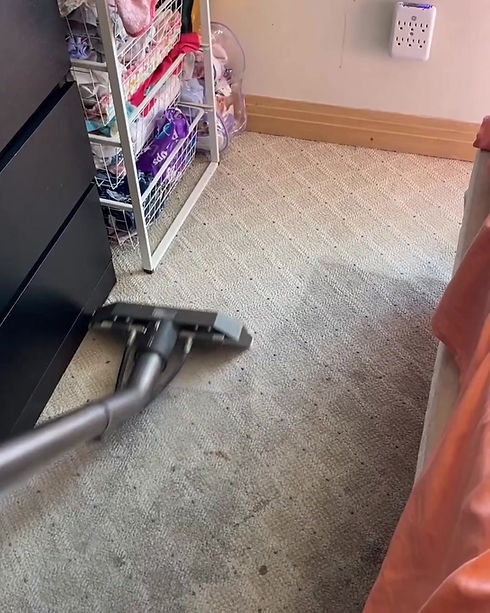
Professional hot water extraction uses cleaning solution, agitation, and powerful suction to loosen and remove embedded soil. The important part is the extraction. A carpet that is left too wet can take a long time to dry and may develop musty odors. Fast-drying methods help families get back to normal sooner while reducing the inconvenience of avoiding a room all day.
Spot cleaners are helpful for fresh accidents, but avoid scrubbing aggressively. Blot spills with a clean white towel, working from the outside of the spot toward the center. Rubbing can push a stain deeper into the fibers and spread it across a larger area. For pet accidents, act quickly and use a cleaner designed to address both the visible spot and the odor source below the surface.
Tile and Grout Need More Than a Quick Mop
Tile is durable, but grout is porous. It collects oils, soap residue, spills, and dirt from shoes, especially in kitchens, bathrooms, mudrooms, and entryways. A mop can clean the tile surface while leaving grime packed into the grout lines.
For routine care, use a pH-neutral cleaner made for tile and follow it with clean water when needed. Skip harsh acidic products unless you know they are safe for your specific tile and grout. Acidic cleaners can damage certain natural stone surfaces, weaken grout over time, or dull finishes.
When grout has turned dark or unevenly colored, professional tile and grout cleaning can make a noticeable difference. Controlled agitation and extraction remove embedded buildup more effectively than repeatedly mopping with stronger chemicals. That means better results without trying to solve the problem by pouring harsh products onto the floor.
Hardwood, Laminate, and Vinyl Require Moisture Control
Hard surface floors often look simple to clean, but too much water is one of the most common mistakes. Hardwood and laminate seams can swell or separate when moisture works its way underneath. Even some vinyl floors can lose their finish or collect streaks when the wrong cleaner is used too often.
Use a lightly damp microfiber mop rather than a soaking wet string mop. Spray cleaner onto the mop pad instead of directly flooding the floor, and clean small sections at a time. Choose a product made for your flooring type, especially if the manufacturer has care instructions for a protective finish or warranty.
Avoid mixing cleaners, even when a floor looks especially dirty. Combining household products can create harmful fumes or leave a difficult residue. If the floor still looks cloudy after cleaning, the issue may be buildup from past products, not a lack of cleaning strength.
A Simple Routine That Keeps Messes Manageable
The most family-safe cleaning strategy is often consistent maintenance. Small, regular steps prevent dirt from becoming a deep-cleaning project and reduce the temptation to use overly aggressive products later.
Keep shoes near the entryway, use washable mats inside and outside doors, and vacuum or sweep high-traffic areas several times a week. In Minnesota, this matters even more during wet weather and winter, when sand, road salt, and slush can quickly scratch hard floors and work their way into carpet fibers.
Wipe up food spills and pet accidents as soon as possible. For hard floors, a microfiber cloth and a small amount of floor-appropriate cleaner are usually enough. For carpet, blot first and avoid saturating the area. If an odor returns after the carpet dries, the contamination may have reached the backing or pad, which calls for a more thorough treatment than a surface spray can provide.
Mop hard floors as needed, usually weekly in active family areas and less often in low-traffic rooms. Change dirty mop water instead of spreading it from room to room. If you use reusable pads, wash them between uses without fabric softener, which can reduce absorbency and leave a film.
Watch for Products That Create More Work
A floor can look shiny and still be dirty. Some products leave a glossy coating that hides dullness temporarily but traps soil over time. If your floors feel sticky shortly after mopping or show footprints immediately, residue is often the problem.
Be cautious with heavily fragranced cleaners, bleach-based products, and products that promise a high shine without rinsing. They may have a place for specific tasks, but they are not automatically the right choice for every everyday mess. Bleach, for example, is a disinfectant when used correctly, but it is not a general carpet cleaner and can damage color, fibers, finishes, and grout.
Disinfecting also has a trade-off. Most floors do not need to be disinfected daily. Routine soil removal is usually the priority. Reserve disinfectants for situations where they are truly needed, such as illness-related cleanup, and follow the label directions for contact time, dilution, ventilation, and safe use around children and pets.
When Professional Cleaning Is the Safer Choice
There is a point where repeated DIY cleaning starts costing more time and producing less improvement. Carpets with pet odor, mystery stains, heavy traffic lanes, or slow drying problems often need professional equipment that can rinse and extract deeply. The same is true for tile and grout that stays dark after regular mopping.
A professional service should be willing to explain what products and methods will be used in your home. Ask about pet-safe and eco-friendly options, drying expectations, and upfront pricing before work begins. You should not have to guess about added charges or be left with a wet carpet and no clear plan.
Ebert’s Carpet Cleaning uses eco-friendly, pet-safe products and deep extraction methods designed to remove soil while helping carpets dry faster. For busy households, that balance matters: a cleaner floor, less downtime, and no need to bring harsh cleaning products into the routine.
Give Floors Time to Dry Before Normal Traffic
Even safe cleaning can become less effective when floors are put back into service too soon. Keep children and pets off freshly cleaned carpet until it is dry to the touch. Open blinds for natural light, run ceiling fans, and keep air moving when possible. For hard floors, wait until the surface is fully dry before walking on it to prevent slips and new footprints.
If you are preparing for a move-out, rental inspection, home showing, or family gathering, schedule deep cleaning with enough time for drying. A little planning helps the results last longer and keeps the day from becoming more stressful than it needs to be.
Clean floors do not require a cabinet full of harsh products or an all-day project. With the right routine, appropriate products, and professional help when buildup goes beyond the surface, your home can stay comfortable for the people and pets who use it most.


Comments