


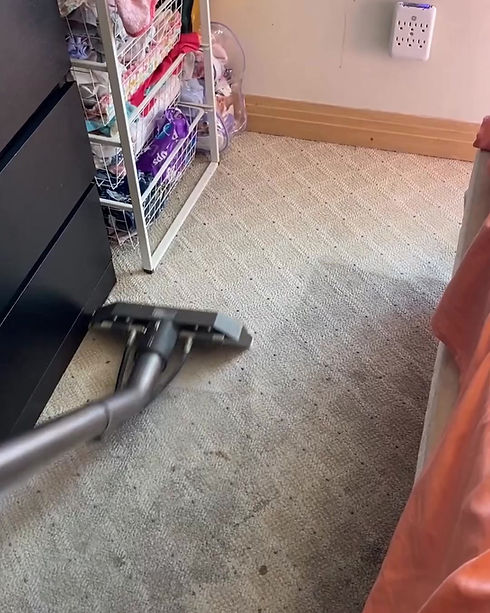

How Long Do Carpets Take to Dry After Cleaning?
A freshly cleaned carpet should look better right away, but it should not keep your household off the floor all day. So, how long do carpets take to dry after a professional cleaning? In most homes, plan on about 6 to 12 hours. With proper extraction, airflow, and normal indoor conditions, many carpets are dry enough for light use sooner. Thick carpet, humid weather, heavy soil, and poor ventilation can stretch that window closer to 24 hours.
The key is not just how much water goes into the carpet. It is how effectively that water is removed. A professional deep-cleaning method uses controlled moisture and powerful extraction to lift soil while pulling as much moisture back out as possible. That gives you the cleaner carpet you want without unnecessary downtime.
How Long Do Carpets Take to Dry in a Typical Home?
For a standard residential carpet cleaning appointment, 6 to 12 hours is a realistic expectation. Your carpet may feel slightly damp underfoot for part of that time, especially in rooms with thicker pile or limited airflow. It should not feel soaked, squishy, or leave wet footprints long after the cleaning is complete.
Here is what that timing often looks like in practical terms. Carpets cleaned in the morning are commonly ready for normal use by evening. An afternoon appointment may mean giving the carpet overnight to finish drying. If you are cleaning before a party, home showing, move-out inspection, or tenant turnover, scheduling the service a day ahead is the safest choice.
Drying time can be shorter when the weather is dry, the home is comfortably heated or air-conditioned, and windows or doors can be opened without bringing in damp outdoor air. It can take longer during Minnesota's humid summer stretches, rainy days, or cold periods when the house is closed up and air is not moving.
What Affects Carpet Drying Time?
Every home and carpet is different, which is why a company that promises one exact drying time for every job is oversimplifying the process. Several factors work together to determine how quickly your floors are ready.
Carpet type and thickness
Low-pile synthetic carpet usually dries faster than dense plush carpet, wool, or heavily padded areas. A thick, soft carpet can hold moisture deeper in its fibers and backing. Stairs may also take a little longer because of their construction and limited air circulation.
How soiled the carpet was
A lightly soiled living room does not need the same treatment as a carpet with months of winter grit, pet accidents, food spills, or heavily traveled entryways. Heavier soil may require extra cleaning passes and targeted treatment. That added work is worthwhile for a better result, but it can modestly increase drying time.
Humidity, temperature, and airflow
Air movement is one of the biggest drying factors. Warm, dry air helps moisture leave the carpet. Still, humid air slows evaporation. In summer, running your air conditioner can help lower indoor humidity. In winter, normal heat and a fan often make a noticeable difference.
The cleaning method and equipment
Some cleaning methods use a lot of moisture and leave more behind. Deep hot-water extraction, performed with strong equipment and proper technique, should remove both soil and a large portion of the cleaning solution before the technician leaves. Fast-drying results depend on good extraction, not cutting corners on the cleaning itself.
At Ebert's Carpet Cleaning, professional equipment such as the Roto-Vac Power Wand helps provide deep soil removal and strong extraction. The goal is straightforward: clean carpet that looks refreshed and dries as quickly as conditions allow.
How to Help Your Carpet Dry Faster
You do not need special equipment to help your carpet dry. A few simple steps can make the difference between a carpet that is ready by evening and one that still feels damp the next day.
Start by keeping the indoor temperature comfortable. In cold weather, leave the heat at its normal setting rather than turning it down after the appointment. In warm or humid weather, air conditioning can reduce moisture in the air and support faster drying.
Next, create airflow. Turn on ceiling fans and portable fans in cleaned rooms. If the outdoor air is dry, opening windows for a short time can help. If it is raining, foggy, or humid outside, keep windows closed and use the HVAC system or fans instead. Bringing damp air indoors will not speed the process.
Avoid placing rugs, furniture pads, or plastic items back on the carpet too soon. They trap moisture and can leave marks or slow drying underneath. Professional cleaners may place protective tabs or blocks under furniture legs when needed. Leave those in place until the carpet is dry, then remove them carefully.
If possible, limit foot traffic until the carpet is dry. This keeps clean fibers from getting pressed down and prevents outside dirt, oils, or pet hair from transferring onto the damp carpet. If you must walk across it, wear clean socks or clean indoor shoes. Avoid bare feet, since natural oils can transfer to freshly cleaned fibers.
Can Kids and Pets Walk on Damp Carpet?
A little careful traffic is usually fine when the carpet is only lightly damp, but waiting is better whenever possible. Young children and pets often move from room to room, bringing in dirt, grass, crumbs, and outdoor residue without anyone noticing. Keeping them off the cleaned areas until dry protects the result you just paid for.
For homes with pets, have a plan before the appointment. Use an uncleaned room, a gated area with hard flooring, or a walk outside as needed. If your pet has had accidents or odor problems in the carpet, let the cleaner know before service begins. Odor treatment may involve addressing contamination below the surface, and that can affect both the treatment plan and the drying timeline.
What If Your Carpet Is Still Wet the Next Day?
A carpet that is a little cool or slightly damp after 12 hours is not always a concern, particularly if it is thick or the weather is humid. Turn on fans, keep the room at a comfortable temperature, and give it more time to dry.
However, contact your cleaning company if the carpet feels wet rather than damp, has a musty smell, or remains noticeably wet after 24 hours. Those signs deserve attention. The right provider should answer questions promptly and stand behind the work, not leave you guessing.
It is also worth separating normal cleaning moisture from a water emergency. If carpet is wet because of a burst pipe, appliance leak, flooding, or sewer backup, that is not a routine carpet-cleaning situation. Fast water removal and proper drying are needed to help prevent damage and potential microbial growth.
Plan Cleaning Around Your Schedule
The easiest way to avoid stress is to book carpet cleaning with drying time in mind. For a move-out, inspection, open house, or new tenant move-in, allow a full day whenever you can. For regular home cleaning, a morning appointment gives your carpet the best chance to dry before bedtime.
Fast drying should never mean a rushed job or surface-only cleaning. The better balance is deep extraction, safe products for kids and pets, honest expectations, and simple steps that help the carpet finish drying naturally. A clean carpet should make your home feel more comfortable, not create a day of inconvenience.


Comments