



How to Remove Carpet Stains Professionally
A spill does not become a permanent carpet problem the moment it happens. What usually makes it permanent is rubbing, using the wrong cleaner, or leaving sticky residue behind that attracts more dirt. Knowing how to remove carpet stains professionally means treating the stain, the carpet fibers, and the cause of the mess without creating a larger spot around it.
For homeowners, renters, landlords, and business owners, the goal is not simply to make a stain less noticeable. It is to remove as much of the soil as possible, prevent odors and wicking, and help the carpet dry clean rather than stiff or soapy. That takes the right process and, for stubborn spots, the right extraction equipment.
How to Remove Carpet Stains Professionally: Start With the Stain
Professional stain removal begins with identification. Coffee, red juice, greasy food, muddy footprints, pet accidents, ink, and rust do not respond to the same product. Applying a heavy-duty cleaner at random can set a stain, bleach the carpet, or leave behind a residue that causes rapid resoiling.
First, determine whether the stain is water-based, oil-based, protein-based, or a dye. Water-based spills such as soda, coffee, and many foods may respond well to a mild cleaning solution and careful extraction. Grease needs a product designed to break down oils. Pet urine requires treatment that addresses both the visible spot and the odor-causing material below the carpet surface.
Also consider how long the stain has been there. A fresh spill is usually much easier to remove than a spot that has been walked on for weeks. Old stains can wick back to the surface after cleaning because soil or moisture remains in the backing or padding. That is why a stain that looks gone right after a DIY cleaning can reappear the next day.
Act Fast, But Do Not Rub
The first response matters. Blot a fresh spill immediately with clean white towels or plain paper towels. Press down firmly and lift straight up. Repeat with dry sections of the towel until you are no longer pulling up much moisture.
Avoid scrubbing in circles. Scrubbing spreads the spill, pushes it deeper into the fibers, and can damage the carpet's texture. It may leave a fuzzy or worn-looking area even if the original stain comes out.
Use white towels rather than printed towels or colored cloths. Dye from a colored towel can transfer into damp carpet, especially when using a cleaning product. Work from the outside edge of the spill toward the center so the stain does not spread.
For solids such as food, mud, or pet messes, gently lift away as much material as possible first. A dull edge, like a spoon, can help remove solids without grinding them deeper into the carpet.
Test Every Cleaner Before You Use It
Carpet fibers and dyes vary. Before applying any cleaner to a visible stain, test it in a small hidden area such as inside a closet or under a piece of furniture. Apply a small amount, blot it, and check for color transfer or texture changes.
This step is especially important with wool, natural fibers, patterned carpet, and older carpet. Strong alkaline cleaners, bleach, and unapproved spot removers can permanently change the color of these materials.
For most common water-based spills, a small amount of a carpet-safe spot cleaner can be enough. Follow the label directions and use less product than you think you need. Overapplying cleaner is one of the main reasons carpets feel crunchy afterward or develop a dark ring around the original spot.
After treating the stain, blot with a towel lightly dampened with clean water to remove remaining solution. Then blot dry again. The goal is to clean the fibers without soaking the carpet backing.
Match the Method to Common Carpet Stains
Food, Coffee, and Drink Spills
Blot quickly, then apply a carpet-safe cleaner appropriate for water-based stains. Let it sit only as directed, gently agitate with your fingertips or a soft brush if needed, and blot. Dark drinks, red sauces, and colored sports drinks can contain dyes, so they may require professional treatment if a light shadow remains.
Do not pour club soda, vinegar, or dish soap on every stain as a one-size-fits-all solution. These home remedies sometimes help, but they can also leave residue or react poorly with previous cleaning products. Carpet type and the makeup of the spill matter.
Grease and Oil
Cooking oil, lotion, makeup, and tracked-in garage grease need a product that breaks down oil. Water alone will not remove them well. Use a small amount of carpet-safe solvent or degreasing spot treatment approved for your carpet, then blot carefully.
Grease spots often look darker because they hold onto dry soil. Once the oily material is loosened, professional hot-water extraction can remove the remaining residue more thoroughly than surface blotting alone.
Pet Urine and Pet Odors
Pet accidents need fast attention because urine can travel through the carpet into the backing and padding. Blot up as much moisture as possible, then use an enzyme-based pet treatment designed to break down odor-causing organic material. Follow the dwell-time directions closely. Enzyme products need time to work.
Avoid masking the odor with fragrance. If the source remains below the surface, the smell can return during humid weather or when the area gets warm. Repeated accidents, strong odors, and stains that keep coming back often need professional inspection and deeper treatment.
Mud, Dirt, and High-Traffic Grime
Let mud dry completely before removing it. Vacuum up the loose dry soil first, then treat the remaining spot. Trying to wipe wet mud usually creates a larger brown smear.
Dark traffic lanes are different from a single spill. They form from oily residue and embedded soil building up over time. Spot cleaning will not restore an entire traffic area. Deep extraction is usually the better answer for hallways, entryways, living rooms, rentals, and commercial walkways.
Why Extraction Makes a Professional Difference
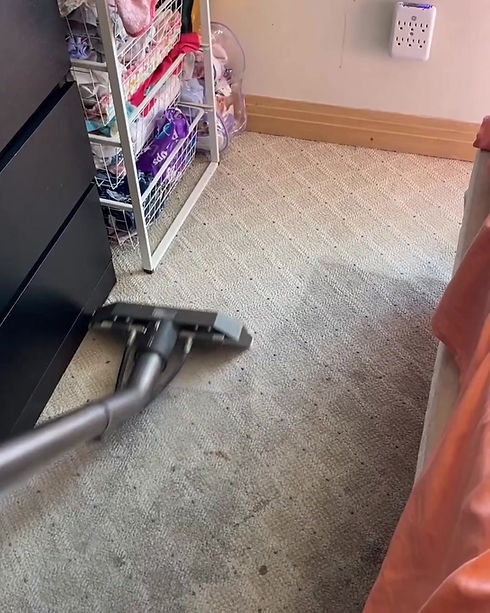
A spot remover can improve the appearance of a stain, but it does not always remove what has settled below the carpet surface. Professional carpet cleaning combines proper pre-treatment, controlled agitation, and powerful extraction to lift loosened soil and cleaning solution from the fibers.
This matters because leftover detergent attracts dirt. It also matters because excess moisture can lead to wicking, odors, and longer dry times. A professional method should use enough solution to clean effectively, then remove it thoroughly.
At Ebert's Carpet Cleaning, fast-drying deep extraction methods and the Roto-Vac Power Wand are used to pull more embedded soil from carpet while keeping downtime manageable. That can be especially helpful before a move-out inspection, a home showing, a tenant turnover, or a busy weekend at your business.
Know When Not to Keep Treating It Yourself
Some stains are worth one careful attempt. Others need professional help before repeated products make the situation worse. Call for service when a stain is old, has returned after cleaning, covers a large area, involves pet odor, or comes from ink, paint, wax, rust, blood, or an unknown substance.
It is also smart to schedule professional cleaning when the carpet looks generally dull, feels sticky, or has visible traffic lanes. In these cases, treating one spot can create a clean circle that makes the surrounding carpet look worse. Cleaning the full room produces a more even result.
For landlords and property managers, professional cleaning can also provide a practical reset between tenants. For homeowners, it helps keep carpets more presentable without relying on harsh chemicals or renting equipment that may leave the carpet overly wet.
Help Your Carpet Stay Cleaner After the Stain Is Gone
Once the stain is removed, prevent the next one from becoming a bigger project. Place mats at entrances, vacuum regularly, and address spills before they dry. In homes with pets or young children, keeping clean white towels and a carpet-safe spot product on hand can save valuable time.
Do not judge a cleaned spot until the carpet is fully dry. If a faint mark returns after drying, it may be wicking from below. Blot it again and consider professional extraction rather than adding more cleaner.
A clean carpet should look better, feel soft, and dry without a lingering chemical smell. When a stain needs more than a towel and a little patience, getting the right help early can protect the carpet and keep your home, rental, or business ready for the people who use it every day.


Comments