



How to Clean Rental Carpets Before Move-Out
A rental carpet can look fine until you start moving furniture and find the coffee spot under the table, the dark path through the hallway, or the pet odor that has settled into one room. Knowing how to clean rental carpets the right way can help protect your security deposit, make turnover easier, and leave the property ready for its next occupant.
The goal is not to make an older carpet look brand new. It is to remove the soil, spills, odors, and residue that normal vacuuming leaves behind without causing damage that could create a larger problem. A smart move-out cleaning plan starts with knowing what you are dealing with and choosing the right level of cleaning.
Start With the Lease and a Carpet Check
Before renting a machine or reaching for a stain remover, review your lease. Some landlords require a receipt from a professional carpet cleaner at move-out. Others only require that carpets be left clean and free of new damage. If professional service is required, do not wait until the day before keys are due. Appointment times can fill up quickly, especially during busy moving seasons.
Next, walk through each carpeted room in daylight. Take photos before cleaning, particularly of worn areas, permanent discoloration, burns, tears, and stains that were present when you moved in. If you have move-in photos or an inspection checklist, compare them now. This helps separate normal wear from damage and gives you a record of the carpet's condition.
Look closely at high-traffic lanes near entryways, stairs, hallways, beds, sofas, and dining tables. These areas usually hold ground-in dirt and oily residue rather than one obvious stain. Pet areas deserve extra attention, too. Even if a spot has faded, odor can remain in the carpet backing or pad.
How to Clean Rental Carpets Without Making Matters Worse
The biggest mistake renters make is applying too much product and too much water. Carpet fibers can hold onto soapy residue, which attracts dirt after the carpet dries. Overwetting can also lead to long dry times, odors, wicking stains, or concerns about moisture under the carpet.
Start by removing as much dry soil as possible. Vacuum slowly in several directions, especially along walls and under furniture that is still in place. A quick pass over the carpet does not remove enough embedded grit to prepare it for deeper cleaning. Empty the vacuum canister or replace the bag as needed so suction stays strong.
Then treat visible stains one at a time. Test any cleaner in a hidden spot first, such as inside a closet. Use a carpet-safe product, apply only the amount needed, and blot with a clean white towel. Work from the outside edge of the stain toward the center so it does not spread. Avoid scrubbing hard. Aggressive scrubbing can rough up carpet fibers and leave a fuzzy, worn-looking patch.
For a fresh food or drink spill, gentle blotting with cool water may be enough before using a spot treatment. For greasy stains, a carpet cleaner designed for oil-based residue may work better. For pet accidents, a true odor treatment is usually needed, not just a scented spray. The treatment must reach the same depth as the urine did or the smell may return when the room gets warm or humid.
Never mix cleaning chemicals, bleach carpet, or use dish soap as a general carpet shampoo. These shortcuts can discolor fibers, create sticky residue, or make a stain harder to remove later.
Use a Rental Machine Carefully
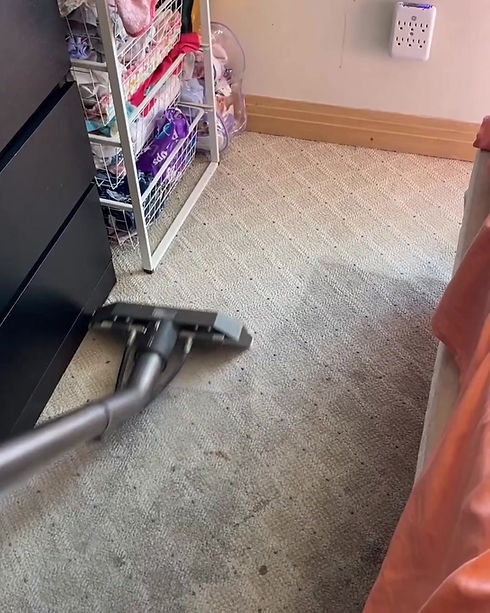
A rental carpet cleaner can be a reasonable option for lightly to moderately soiled carpet when you have enough time for it to dry. Read the instructions, use the recommended solution, and do not assume more solution will clean better. The machine needs clean water, proper suction, and slow passes to do its job.
Make one controlled wet pass, then make several dry passes over the same area to pull out as much moisture as possible. Overlap your cleaning rows slightly, but do not repeatedly soak the same section. Open windows when weather allows, run ceiling fans, and use fans or a dehumidifier to speed drying.
Keep people and pets off the carpet until it is dry. If possible, avoid placing furniture back on damp carpet. Wood legs can transfer stain, while metal feet can rust and leave marks. Most carpets should feel dry within several hours, though thick carpet, humid conditions, and heavy cleaning can extend that time.
A rental machine has limits. It may refresh surface appearance, but it can struggle with packed soil, heavy traffic lanes, old pet contamination, and stubborn residues from previous DIY cleaning. That does not mean you failed. It means the carpet needs a deeper method.
When Professional Cleaning Is the Better Move
Professional extraction is often the safer choice when your lease requires a receipt, the carpet has pet odor, stains keep returning, or the property needs to be ready for inspection quickly. It can also make sense when you are already handling packing, address changes, cleaning cabinets, and coordinating movers. A low-cost rental machine is not always a bargain if it leaves behind residue, takes all day, or does not solve the issue.
A qualified local cleaner can assess the carpet type, identify likely stain causes, and use the appropriate treatment before deep extraction. Fast-drying methods matter in rentals because they reduce downtime and help you avoid leaving a damp, closed-up property behind. Ask for upfront pricing, whether pet odor treatment is separate, what drying time to expect, and whether a receipt will be provided for your landlord.
For renters, landlords, and property managers around Braham and surrounding communities, Ebert's Carpet Cleaning provides move-out carpet cleaning with pet-safe, eco-friendly products and deep extraction designed for visible results and faster drying. Clear pricing and a satisfaction guarantee can take some of the uncertainty out of an already busy move.
Handle Common Rental Carpet Problems the Right Way
Not every mark needs the same solution. Understanding the difference can keep you from wasting time or setting a stain.
Dark traffic lanes: These are usually a mix of tracked-in soil and body oils. Vacuuming helps, but deep extraction is often needed to lift the buildup evenly. Spot spraying only the darkest section can leave a cleaner-looking patch around it.
Coffee, wine, or juice spots: Blot fresh spills immediately. For old stains, avoid repeated soaking. Some stains have already changed the carpet color, while others are simply trapped residue. A professional can determine which is more likely before applying a stronger treatment.
Pet odor and urine: Surface cleaning may improve appearance but not odor. Urine can spread wider beneath the carpet than the visible spot suggests. If the odor is strong, persistent, or present in several areas, a deeper odor treatment may be necessary. In severe cases, cleaning alone cannot repair pad or subfloor contamination.
Wax, gum, paint, or mystery residue: Do not pull or scrape aggressively. These problems often need a specific removal method based on the material involved. Take a photo and ask a professional before trying multiple products.
Flattened carpet fibers: Cleaning can remove soil that makes fibers look matted, but it cannot always reverse wear. Be careful not to confuse normal aging with dirt. Trying to scrub worn carpet into looking new can create damage that is more noticeable than the original wear.
Finish the Move-Out Job Strong
Once the carpet is clean and dry, vacuum it again if needed to lift the pile and remove any loosened debris. Check corners, closets, stairs, and the edges of rooms, where dirt is easy to miss. Replace furniture only after the carpet is fully dry, or leave the room empty if your move is complete.
Take final photos in good light. If you hired a cleaner, save the invoice and keep it with your move-out records. A receipt, clear photos, and a clean carpet give you a much stronger position if there are questions about the security deposit later.
The best time to schedule carpet cleaning is before the final rush, not after the truck is loaded. Give the carpet time to dry, inspect the results in daylight, and leave the rental knowing you handled one of the biggest move-out details with care.


Comments