



Pet Odor Treatment Results: What to Expect
A room can look clean and still smell like a pet has claimed it. That is because pet odor treatment results depend on more than surface cleaning. Urine can travel through carpet fibers, into the backing and padding, and sometimes reach the subfloor below. To get lasting odor relief, the treatment has to reach the same places the odor reached.
For homeowners, renters, landlords, and property managers, the goal is simple: walk back into the room and notice a clean, fresh space instead of a cover-up fragrance. Professional treatment can make a major difference, but the right expectations matter. The age of the accident, the material involved, and how often the area has been soiled all affect the final result.
What Good Pet Odor Treatment Results Look Like
The best result is not a heavily scented carpet. It is a room that smells neutral once the carpet has dried and the air has settled. You should be able to sit on the floor, open the room after it has been closed overnight, or come home after being away without getting hit by a lingering urine smell.
You may also see related improvements. Pet accidents often leave dull spots, yellowing, or dark traffic patterns where pets return to the same area. A thorough treatment can improve the appearance of those areas while removing the odor source. However, odor removal and stain removal are not always the same job. Some older discoloration may remain even when the odor has been successfully treated.
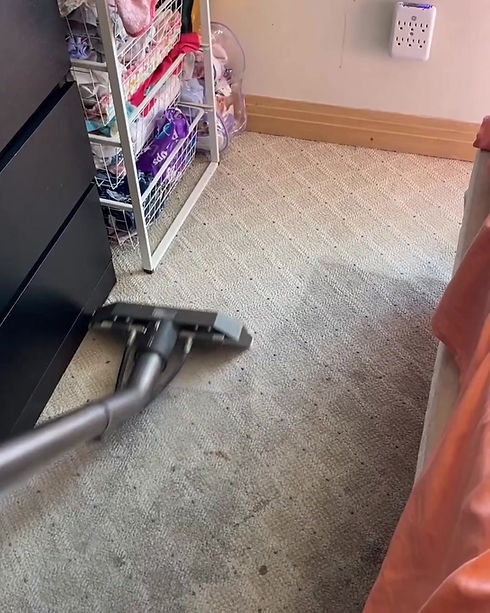
A professional cleaning should also leave the carpet feeling cleaner rather than sticky or overly wet. At Ebert’s Carpet Cleaning, pet-safe, eco-friendly products and deep extraction are used to address the source of the problem without bringing harsh chemical smells into your home. Fast drying helps you get your room back sooner, but proper treatment is always more important than rushing the process.
Why Pet Odors Come Back After Cleaning
When an odor returns, it usually was not caused by the cleaning itself. More often, some of the contamination was below the carpet surface, or the treatment did not reach every affected spot.
Pet urine changes as it dries. The liquid may be gone, but odor-causing residue can remain in the fibers, backing, padding, and floor beneath. Humid weather can make the problem seem worse because moisture reactivates those residues. A room that smelled fine last week may suddenly smell unpleasant after a rainy stretch or when the heat turns on.
Repeated accidents make treatment more involved. If a pet has used the same corner for months, contamination may have spread beyond the spot you can see. Pets can also return to a previously soiled area because they still detect an odor humans cannot. That is why a light surface deodorizer may provide a short-term improvement but fail to solve the real issue.
In some homes, the carpet can be treated successfully while the padding or subfloor needs additional attention. This is especially common in rental turnovers, older homes, and areas where urine sat unnoticed. Honest pet odor treatment means identifying that possibility upfront instead of promising that every situation has a one-step fix.
How Professional Treatment Addresses the Source
A dependable odor treatment begins with an inspection. The technician looks at the affected carpet, asks where accidents occurred, and checks for signs that odor has traveled beyond the visible stain. This step helps determine whether standard treatment is appropriate or whether a more targeted solution is needed.
The affected areas are then treated with products designed to break down odor-causing residue. These products need enough dwell time to work. The area is not simply sprayed and covered with perfume. After treatment, deep extraction removes loosened soil, residue, and moisture from the carpet.
For general carpet cleaning, powerful extraction equipment can lift embedded dirt and improve the carpet’s overall appearance. For pet odor concerns, the technician may concentrate on specific areas where contamination is strongest. Treating only the whole room evenly can miss the locations that need the most attention.
The process may also include treating upholstery or rugs if your pet rests there regularly. A couch cushion, favorite chair, or area rug can hold odors that make a room seem like the carpet was not cleaned, even when the carpet is no longer the problem.
Treatment Is Not the Same as Masking
Air fresheners, scented powders, and store-bought carpet sprays may make a room smell better for a few hours. They usually do not remove urine residue. In some cases, powders and heavy deodorizing products leave residue behind that attracts soil and makes future cleaning harder.
A proper treatment focuses on neutralizing the source. That approach may take more time and may require a follow-up plan for severe contamination, but it provides a much better chance of long-term results.
Factors That Affect Your Final Results
Every pet odor situation is different. A single recent accident on a small area of synthetic carpet is often straightforward. Long-term odor in several rooms is more complex. The following factors have the biggest impact on what can be achieved:
How long the accident has been present: Fresh spots are generally easier to treat than urine that has dried repeatedly over months or years.
How often the pet used the same area: Repeated saturation can reach the padding and subfloor, requiring more than a surface-level cleaning.
Carpet and flooring materials: Carpet, padding, wood, concrete, rugs, and upholstery all respond differently to moisture and odor treatments.
Previous cleaning attempts: Shampoo, powders, and chemical products can leave residue or make it harder to evaluate the original odor source.
Humidity and ventilation: Odors may be more noticeable during damp weather or before the treated area has completely dried.
There is also a practical limit to any cleaning service. If the padding has been heavily saturated or the subfloor has absorbed contamination over a long period, replacement or sealing may be the best next step. A trustworthy cleaning company should explain that clearly, not bury it in fine print or push a treatment that is unlikely to meet your expectations.
What to Do Before and After Service
Before your appointment, point out every area where you have noticed accidents, even if there is no visible stain. Mention whether your pet is still having accidents and whether you have used any cleaning products already. That information helps the technician choose the most effective approach.
Move small furniture, pet beds, toys, and personal items away from the treatment area when possible. If a room has a strong odor but you are unsure where it is coming from, do not try to hide it with fragrance beforehand. The more accurately the source can be identified, the better the treatment can be.
After service, allow the carpet to dry fully before judging the final result. Drying time varies with carpet thickness, humidity, airflow, and the extent of treatment. Opening windows when weather allows, running ceiling fans, and keeping pets off damp carpet can help. Avoid applying powders or additional deodorizing sprays while the treated area dries.
If the odor is still present after drying, communicate that promptly. In some cases, a follow-up assessment can determine whether there is another affected area, a non-carpet source, or deeper contamination that needs a different solution. Clear communication is part of getting results you can feel confident about.
When Pet Odor Removal Is Worth Scheduling
Professional pet odor treatment is especially useful before a move-out inspection, listing photos, a home showing, or a new tenant move-in. It can also make a real difference when visitors notice an odor that residents have become used to over time.
For families, treating pet odors is about more than appearances. Lingering odor can make a clean home feel unfinished, encourage repeat marking, and make it harder to enjoy rooms where everyone gathers. For landlords and property managers, addressing the source before new occupants arrive can help protect the property and avoid complaints later.
If you are dealing with a fresh accident, recurring spots, or an odor that returns every time the weather changes, do not settle for a perfume-covered carpet. Request a clear assessment, upfront pricing, and a treatment plan that fits the actual condition of your floors. A fresher home starts when the odor source is handled, not hidden.


Comments