



Rental Property Carpet Cleaning Between Tenants
A carpet can look acceptable during a quick walkthrough and still hold the odors, tracked-in soil, spills, and pet residue that cause trouble once a new tenant moves in. For landlords and property managers, rental property carpet cleaning is not just a finishing touch. It is one of the quickest ways to make a unit feel cared for, photograph better, and avoid complaints during the first week of a new lease.
The goal is not to make an old carpet look brand new when it has reached the end of its life. The goal is to remove what can be removed, identify what cannot, and make a clear decision before the next tenant gets the keys. A professional cleaning done at the right point in the turnover process can protect your flooring investment and help keep vacancy time under control.
Why Rental Property Carpet Cleaning Pays Off
Carpet acts like a filter. It collects fine dust, road salt, food crumbs, skin cells, pollen, pet hair, and the oils carried in on shoes. Routine vacuuming helps, but it does not pull out the embedded soil that dulls carpet fibers and leaves rooms looking worn before their time.
For a rental, that buildup affects more than appearance. A musty smell, visible traffic lanes, or a stain near the entry can make prospective tenants question how the property has been maintained. Even when the unit is otherwise clean, dirty carpet can create the wrong first impression.
Professional deep extraction removes more soil than surface cleaning alone and can refresh carpet without harsh chemical odors or long downtime. Fast-drying methods are especially useful during turnovers, when painters, maintenance crews, cleaners, and move-in schedules all need to work around one another.
Cleaning also gives you useful information. Once the surface soil is removed, you can see whether discoloration is a treatable stain, permanent damage, sun fading, or a worn carpet that needs replacement. That is a much better position to be in than guessing from a dirty, matted floor.
Clean Before You Decide to Replace
Replacement is sometimes the right call. Carpet with heavy burns, torn seams, severe delamination, or widespread permanent staining may not be worth further investment. But many rental carpets are replaced too early because they have never received a thorough professional cleaning.
A proper cleaning can improve flattened traffic areas, remove tracked-in grime, reduce odors, and bring back a more even appearance. Results depend on the carpet’s age, fiber type, prior cleaning history, and the kind of staining involved. No honest cleaner should promise that every stain will disappear, especially bleach spots, dye stains, paint, or damage that has set deep into the backing.
Still, cleaning first is usually the practical step when the carpet is structurally sound. It costs far less than replacement, can extend usable life, and gives you a clean baseline for documenting the condition of the unit.
Normal wear versus chargeable damage
Landlords should be careful not to treat every dirty carpet as tenant damage. General dullness and light traffic patterns may be normal wear, particularly after a longer tenancy. Large pet stains, burns, unauthorized paint spills, or excessive soil beyond normal use can be different matters.
Your lease language, move-in inspection photos, local rules, and the carpet’s remaining useful life all matter when handling a deposit. Professional cleaning documentation can support your records, but it does not replace a fair, well-documented move-in and move-out process. When there is a question, take clear photos before cleaning, keep invoices, and compare the condition to your original inspection notes.
The Best Time to Schedule Cleaning
For most turnovers, carpet cleaning works best after the outgoing tenant has removed belongings and after major repairs are complete. If walls need patching or painting, finish that work first so fresh dust and paint drips do not land on clean carpet.
It is also smart to clean before final photos and showings whenever possible. A freshly cleaned carpet makes the whole property feel brighter, even if the carpet is not new. If your turnover timeline is tight, schedule cleaning around other trades so the carpet has time to dry before movers, installers, or the incoming tenant arrive.
The exact order can vary. In a unit with a strong pet odor, it may make sense to inspect and treat the carpet before other final cleaning tasks so you know whether the odor is limited to the carpet or has reached the pad, baseboards, or subfloor. Waiting until the last hour to address odor can turn a simple turnover into a delayed move-in.
What a Professional Turnover Cleaning Should Address
A good rental carpet service begins with an inspection, not a one-size-fits-all treatment. The cleaner should look for traffic lanes, spots, pet areas, rippling, damaged seams, and signs that moisture or odor may be coming from below the carpet.
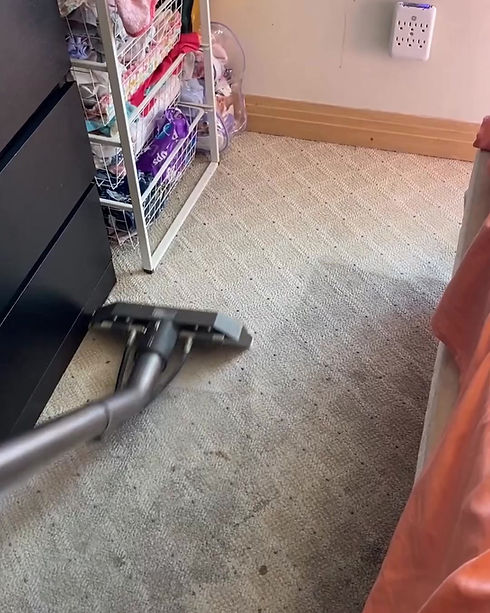
Pre-treatment is used where needed to loosen soil and address common stains. Deep extraction then lifts suspended soil and cleaning solution from the carpet. At Ebert’s Carpet Cleaning, fast-drying deep extraction and equipment such as a Roto-Vac Power Wand help remove embedded soil while using eco-friendly, pet-safe products that are a better fit for homes with children and animals.
Odor treatment deserves special attention. A fragrance may cover a smell for a few hours, but it will not remove the source. Pet urine can travel below the surface, especially when a tenant has repeatedly used the same area. Depending on the severity, treatment may require targeted odor solutions, pad replacement, or subfloor sealing. The right answer depends on what an inspection finds.
A Simple Turnover Plan That Prevents Surprises
The most efficient property managers treat carpet care as a repeatable part of their turnover checklist. Start by photographing each room after the tenant leaves. Note stains, odors, and damage before anyone begins work. Then coordinate repairs, painting, carpet cleaning, and final touch-ups in an order that avoids redoing work.
For properties with frequent pet occupancy, children, or high foot traffic, consider scheduling maintenance cleaning between tenants even when the carpet does not look severely dirty. Regular care keeps soil from becoming deeply packed into the fibers and can make each future turnover easier to manage.
For a longer-term tenant, a mid-lease cleaning can also be worthwhile when allowed by the lease and arranged respectfully. It can help preserve the carpet while the tenant is still living in the home, rather than leaving every issue for move-out day.
Questions to Ask Before Booking
Price matters, but the lowest quote is not always the lowest overall cost. Ask whether the estimate includes pre-treatment, spot treatment, deodorizing if needed, and the rooms or square footage you expect to be cleaned. Make sure you understand whether there are extra charges for heavy soil, pet treatment, stairs, or specialty concerns before work begins.
Ask about drying time, too. A carpet that dries quickly helps reduce disruption and lets your turnover team stay on schedule. Finally, choose a company that can explain realistic expectations. Clear upfront pricing, a free estimate, and a satisfaction guarantee make it easier to plan the job without unpleasant surprises after the work is done.
A clean rental carpet will not solve every turnover challenge, but it gives the next tenant a better start and gives you a more accurate view of the floor beneath your investment. Schedule the cleaning early, document the condition carefully, and leave enough time to address any deeper issues before move-in day.


Comments