


What Stains Can Professionals Remove From Carpet?
A spilled cup of coffee before work, muddy paw prints after a thaw, or a mystery spot found when moving the couch can make a room feel harder to keep clean than it should. Homeowners often ask, what stains can professionals remove? The honest answer is that many common stains can be dramatically improved or fully removed with the right treatment, but the stain type, carpet fiber, age of the spot, and any products already used all matter.
At Ebert’s Carpet Cleaning, the goal is not to make unrealistic promises. It is to identify what caused the stain, use a safe treatment that fits the material, and deep clean the area without leaving behind harsh residue or soaking the carpet for days. Here is what professional cleaning can often help with, and when results may be more limited.
What Stains Can Professionals Remove?
Professional carpet and upholstery cleaning is especially effective when a stain has not permanently changed the color or damaged the fibers. Some spots are sitting on or between the fibers as residue, oils, soil, or dried food. Others have chemically altered the material, which is harder to reverse. A trained technician can tell the difference before choosing a cleaning solution.
Food and drink stains
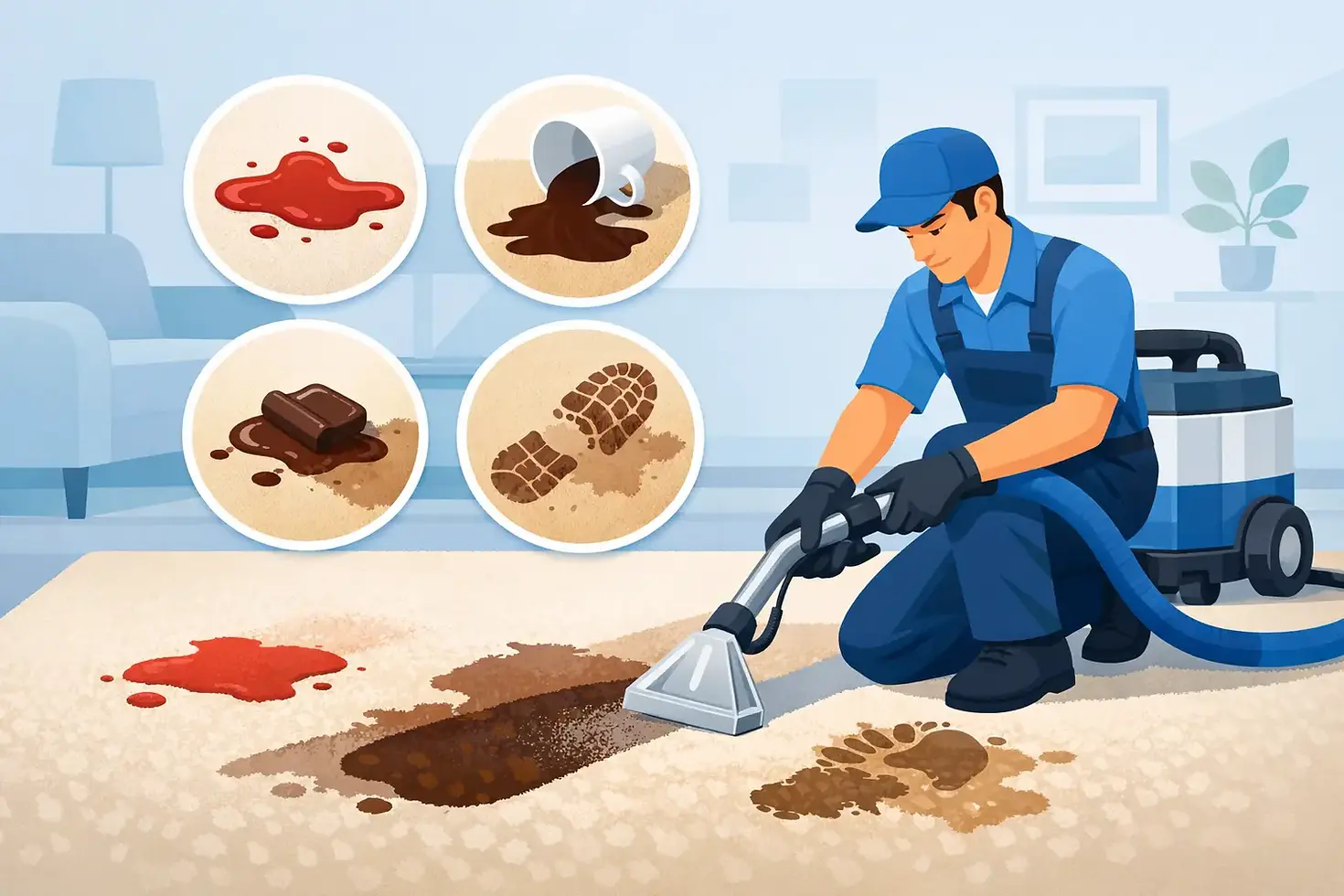
Coffee, tea, pop, juice, wine, gravy, chocolate, berries, and greasy foods are some of the most common calls. These stains can look worse after they dry because sugars and sticky residue attract more dirt over time. A dark coffee spot may become a gray or brown traffic mark simply because it keeps collecting soil.
Professional treatment typically starts by breaking down the residue, then flushing it from the carpet with deep extraction. Results are often very good when the spill is treated promptly. Red wine, dark juice, and brightly colored sports drinks can be more difficult, particularly on light carpet, but they are still worth having assessed before assuming replacement is the only option.
Pet urine, vomit, and other accidents
Pet accidents need more than surface spot cleaning. Urine can travel through carpet backing and into the pad, where it leaves behind odor-causing deposits. That is why a carpet may look clean but still smell stronger on humid days or after a pet returns to the same area.
Professional pet odor removal can target both the visible stain and the odor source. The right approach depends on how deep the contamination goes, how long it has been there, and whether the padding or subfloor has been affected. Fresh accidents are usually easier to treat. Long-term or repeated accidents may require more extensive odor treatment, but proper cleaning can make a major difference in the comfort of the home.
Mud, salt, and tracked-in soil
Minnesota weather gives carpets plenty to deal with. Spring mud, winter salt, sand, and road grime can turn entryways, hallways, and living room paths dark and dull. These may not look like a single stain, but they are often one of the biggest reasons carpet loses its original appearance.
Deep extraction is designed to remove the fine, abrasive soil that normal vacuuming leaves behind. This is especially useful in high-traffic areas, where ground-in dirt can make carpet fibers look crushed or permanently gray. Removing the soil helps improve color and texture, although worn fibers may not stand up like new again.
Grease, oil, makeup, and body oils
Oil-based stains are different from water-based spills. Cooking grease, lotion, hair products, makeup, candle wax, and oily residues from shoes or furniture can cling tightly to carpet and upholstery fibers. The dark areas that form around headrests, armrests, and favorite recliner seats are often a combination of body oils, hair products, and everyday dust.
These stains usually need a targeted pre-treatment before the main cleaning process. Professional upholstery cleaning can often brighten these areas significantly while using methods suited to the fabric. Because upholstery comes in many materials and colors, testing and careful product selection are essential.
Ink, paint, and craft stains
Pens, markers, washable paint, slime, glue, and craft supplies can be stressful, especially in a family room or child’s bedroom. Whether these stains can be removed depends heavily on the product involved. Water-based, washable materials are generally more forgiving than permanent ink, oil paint, or dried adhesives.
A professional can identify the type of stain and use a treatment that avoids spreading it further. Do not scrub ink or paint with a towel. Scrubbing can push the material deeper into the fibers and enlarge the affected area. Blot gently if the spill is fresh, keep others from walking on it, and schedule service as soon as possible.
Blood and other protein-based stains
Blood, milk, egg, baby formula, and some pet accidents are protein-based stains. Heat can set these stains, so using hot water from a rental machine or steam cleaner before treatment can make removal more difficult. The same goes for drying the area with high heat.
Professionals use treatments designed for protein-based residue, followed by thorough rinsing and extraction. Older stains can still improve, but fast action usually produces the best result. If you are unsure what caused a stain, avoid experimenting with several cleaners. Let the technician know what you think it may be and what has already been applied.
Carpet Stains That May Not Come Out Completely
A professional cleaning can remove a surprising amount of buildup, but not every mark is removable. Honest expectations matter, particularly before a move-out inspection, listing photos, or tenant turnover.
Bleach, some acne medications, strong disinfectants, and certain household cleaners can remove carpet dye rather than stain the carpet. When that happens, cleaning will not restore the missing color. Sun fading, pet damage, burns, melted fibers, and heavy wear are also material damage, not soil that can be extracted.
Permanent dye stains, old paint, rust, and severe color transfer may be reduced without disappearing entirely. In some cases, a spot is clean but still visible because the carpet fibers have been discolored or damaged. A qualified technician should explain that difference upfront instead of promising a result that the material cannot deliver.
Upholstery and Tile Need a Different Approach
The same stain can behave differently depending on the surface. A coffee spill on synthetic carpet may clean up well, while coffee on a delicate natural-fiber sofa may require a gentler process and more cautious expectations. Upholstery fabrics can shrink, bleed color, or develop water rings if cleaned incorrectly.
Tile and grout have their own stain challenges. Kitchen grease, soap scum, hard-water minerals, tracked-in dirt, and spills can darken grout lines and leave floors looking older than they are. Professional tile and grout cleaning uses equipment and cleaning solutions intended to lift buildup from textured grout rather than simply mopping over it. Deep stains in unsealed or damaged grout may not return to their original color, but cleaning can greatly improve the overall appearance.
What to Do Before Professional Cleaning
The first few minutes after a spill can affect the final result. Blot fresh liquid with a clean white towel, working from the outside of the spot toward the center. Avoid rubbing, which can spread the stain and rough up carpet fibers. Skip colored towels, as their dye can transfer to the carpet.
Do not pour a mix of household products onto the stain. Dish soap, vinegar, peroxide, store-bought spot removers, and powders may each react differently with fibers or with one another. Some products leave sticky residue that attracts soil, while others can set a stain or bleach the color. If you have used a product, simply let the cleaning professional know what it was.
For pet accidents, pick up solids and blot moisture, but avoid saturating the area with water. For gum, wax, or sticky material, do not pull aggressively at the carpet. For a large spill, move furniture away if it is safe to do so and keep foot traffic off the affected area.
Why Professional Extraction Makes a Difference
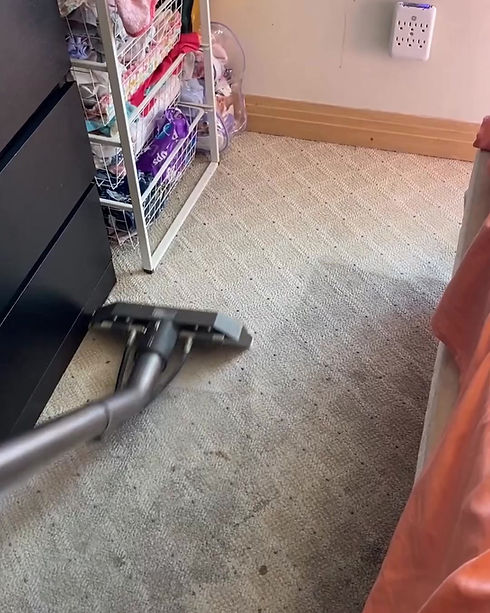
Rental machines and consumer spot cleaners can help with small, fresh spills, but they often lack the extraction power needed to remove deeply embedded soil and cleaning residue. Too much moisture can also leave carpet damp for a long time, creating odors or allowing stains to wick back to the surface.
Professional deep extraction is built to rinse and recover more of what is in the carpet. Fast-drying methods help reduce downtime for busy households, rental properties, and small businesses. Eco-friendly, pet-safe products also give families more confidence when children and pets spend time on the cleaned surfaces.
If a stain is bothering you, do not wait until it becomes part of the room. A quick assessment can tell you what is realistic, what treatment is appropriate, and whether cleaning is likely to restore the area. Requesting a free estimate is a simple first step toward a cleaner space that feels good to come home to.


Comments