



Landlord Turnover Cleaning Guide for Fast Re-Rentals
A vacant unit can cost money every day it sits unlisted. This landlord turnover cleaning guide helps property owners and managers prepare rentals for inspections, showings, and new tenants without overlooking the details that lead to complaints, delayed move-ins, or repeat cleaning calls.
The goal is not simply to make an apartment look acceptable from the doorway. A proper turnover clean removes the evidence of the previous tenancy, addresses odors and buildup, and gives the next resident confidence that the property is well cared for. For Minnesota rentals, that often means paying close attention to winter salt residue, pet concerns, carpet traffic lanes, and moisture-prone kitchens and bathrooms.
Start With a Walk-Through, Not a Cleaning Cart
Cleaning goes faster when you know what needs attention before anyone starts scrubbing. Walk the unit room by room after the tenant has removed belongings. Take photos, compare the condition against the move-in documentation, and separate normal wear from damage that may require repair or replacement.
Look past obvious spills and trash. Open cabinets, inspect baseboards, check around toilets, smell closets and bedrooms, and look at carpet edges near doors. A unit can appear clean while holding on to pet odor, greasy kitchen residue, hard-water buildup, or embedded carpet soil that becomes noticeable as soon as a new tenant moves in.
This first inspection also helps set a realistic turnover schedule. A lightly used unit may need routine cleaning and a carpet refresh. A home with pets, smoking, heavy traffic, or a long tenancy may need deeper extraction cleaning, odor treatment, grout cleaning, paint touch-ups, or flooring repairs. It depends on the condition of the property, but guessing almost always creates delays.
Build the Turnover Schedule in the Right Order
The order of work matters. Cleaning before maintenance crews finish can mean paying to clean the same surfaces twice. Plan the turnover so repairs, painting, and cleaning work together instead of competing for access.
Start with trash removal and tenant-abandoned items. Complete maintenance needs next, including leaky faucets, damaged blinds, loose hardware, appliance issues, and wall repairs. If painting is necessary, do it before final floor cleaning. Dust, drywall debris, and paint drips can undo a good cleaning job in a hurry.
Once repair work is complete, clean from top to bottom. Ceiling fans, vents, light fixtures, and upper cabinets should come before counters and floors. Bathrooms and kitchens usually take the most labor, so give them enough time rather than treating them as a quick wipe-down. Finish with flooring and a final touch-up pass after the unit has been aired out and checked under good lighting.
For faster turns, it helps to use one written checklist for every property. Consistency protects your standards when you manage multiple units, use different maintenance staff, or need to document readiness for an owner.
Kitchen Cleaning That Holds Up During a Showing
A clean kitchen makes a rental feel move-in ready, while a greasy or odorous kitchen can make an otherwise solid unit feel neglected. Begin by emptying all cabinets and drawers. Remove crumbs, shelf liners, residue, and forgotten items, then wipe the interior surfaces and cabinet faces.
The stove and oven deserve more than a surface spray. Degrease burner areas, control knobs, hood filters, oven racks, and the spaces beside the appliance where food and grease tend to collect. Pull the refrigerator out when possible to clean the sides, floor, and wall behind it. Inside the refrigerator, clean drawers, door seals, shelves, and the drain area if accessible.
Do not forget the garbage disposal, sink drain, backsplash, and cabinet space under the sink. These are common odor sources. If the unit has hard water, mineral deposits around the faucet and sink may need a dedicated treatment rather than extra scrubbing alone.
Bathrooms Need Detail Work, Not Just Disinfectant
Bathrooms are where tenants notice shortcuts first. A clean toilet bowl is expected. What makes the room feel truly ready is clean grout, fresh-smelling drains, polished fixtures, streak-free mirrors, and no hair or residue hiding along baseboards, behind the toilet, or inside vanity drawers.
Remove soap scum from shower walls, doors, tracks, and faucets. Treat mineral buildup around fixtures carefully, especially on older finishes. Check caulk and grout for staining, cracking, or mildew. Cleaning can improve appearance, but deteriorated caulk or damaged grout is a maintenance issue and should be repaired before the next tenant moves in.
Run water in each fixture to confirm proper drainage and identify odors. A dry drain trap can cause a sewer-gas smell that no air freshener will solve. Small checks like this prevent an awkward call from a new tenant on move-in day.
Floors Carry the Most Visible Evidence of Prior Tenants
Hard floors need more than a quick mop. Vacuum or sweep first so loose grit does not scratch the surface. Pay attention to corners, under appliances, behind doors, and along baseboards. Clean using products that fit the flooring type, since too much water can damage some laminate, wood, and luxury vinyl floors.
Tile floors and grout can be especially difficult in entryways, kitchens, and bathrooms. Dirt settles into textured grout lines, and mopping often spreads residue rather than removing it. When grout stays dark after routine cleaning, professional tile and grout cleaning may be more practical than spending hours on a result that still looks uneven.
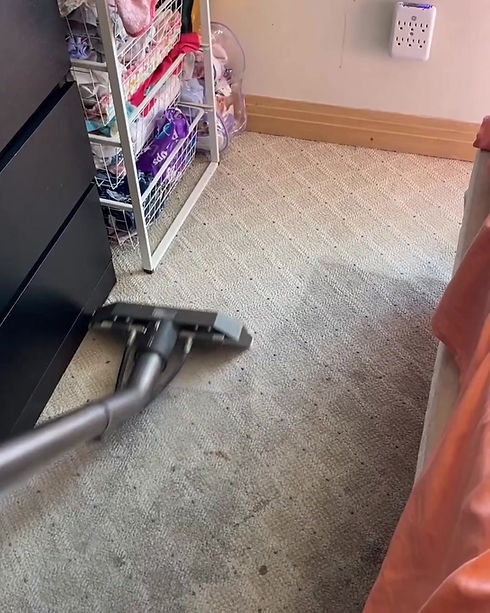
Carpet deserves a careful condition check before deciding whether it is ready for the next renter. Vacuuming removes surface debris, but it does not remove the oils, soil, allergens, and residues pressed deep into traffic lanes. Those lanes are most noticeable in hallways, living rooms, stairs, and paths from exterior doors.
When Carpet Cleaning Is Worth Scheduling
Professional deep extraction is a smart turnover step when carpet has visible traffic patterns, spots, pet use, lingering odors, or a dull overall appearance. It can also be worthwhile before listing photos and showings, because clean carpet changes the way the entire unit presents.
Not every stain can be removed, and old wear may still show after cleaning. Honest expectations matter. Deep cleaning can improve appearance and remove embedded soil, but frayed carpet, severe bleach damage, or worn-out padding may call for replacement instead.
For pet-related units, treat the odor source rather than covering it with fragrance. Urine can reach carpet backing and padding, particularly in repeat spots. A proper odor inspection helps determine whether treatment, deep extraction, or more extensive flooring work is needed. Ebert’s Carpet Cleaning uses pet-safe, eco-friendly products and fast-drying extraction methods to help landlords prepare carpets without long downtime or harsh chemical odors.
Do Not Skip Odors, Closets, and High-Touch Areas
A clean-looking unit can still lose a prospective tenant if it smells stale, smoky, or pet-affected. Open windows when weather permits, remove leftover trash, clean drains, and inspect soft surfaces that hold odor. Avoid relying on heavily scented products. They can make prospects wonder what is being covered up.
Closets, laundry areas, utility rooms, and entry doors often get less attention than kitchens and bathrooms, yet they show tenants whether the turnover was thorough. Wipe shelving, clean light switches and door handles, vacuum closet floors, and remove cobwebs from corners. Replace burned-out bulbs and check smoke and carbon monoxide detectors according to your local requirements.
High-touch surfaces should be cleaned and sanitized as appropriate, including cabinet pulls, appliance handles, thermostats, switch plates, railings, and toilet flush handles. This is a small part of the job, but it creates a more cared-for first impression.
Complete a Final Ready-to-Rent Inspection
Before listing the unit as ready, walk through it as a prospective tenant would. Turn on lights, open and close doors, run faucets, inspect windows, and stand in each room for a moment. Look for streaks, dust, missed debris, odors, and anything that feels unfinished.
Use daylight when possible, then recheck with interior lights. Different lighting exposes different problems, especially on floors, mirrors, stainless steel, and painted walls. If you are managing an apartment building, completing the same final inspection in every unit makes turnover quality easier to control.
Take fresh photos after cleaning, especially if you need records for an owner, a security-deposit file, or future maintenance planning. Clean documentation is just as useful as a clean unit when questions come up later.
A fast turnover should never mean rushing a new tenant into a unit that still feels like someone else’s home. Set the standard once, use the same process each time, and bring in professional help when the floors, odors, or buildup call for more than a basic clean. A rental that feels genuinely fresh earns better first impressions before the first showing even begins.


Comments