



Residential Carpet Cleaning Guide for Minnesota Homes
The carpet can look clean until sunlight hits it, a child drops a drink, or the dog comes in after a wet Minnesota afternoon. A good residential carpet cleaning guide starts with one simple truth: vacuuming helps, but it cannot remove all the oily soil, tracked-in grit, allergens, and residue that settle deep in carpet fibers over time.
For homes in Braham and surrounding communities, carpet care is about more than appearance. Clean carpeting can make a room feel fresher, reduce lingering pet odors, protect your flooring investment, and help prepare a home for guests, a move-out inspection, or a showing. The best approach depends on your carpet type, the source of the problem, and how quickly you need the room back in use.
Start With the Right Cleaning Schedule
Most households benefit from professional carpet cleaning every 12 to 18 months. That schedule may need to be shorter for homes with kids, multiple pets, smokers, heavy foot traffic, or light-colored carpet. Entryways, hallways, family rooms, and the area around dining tables usually show soil first because they receive the most use.
Waiting until carpet looks visibly dirty is rarely the best plan. Soil has already worked its way between fibers by then, where it can create dull traffic lanes and wear the carpet prematurely. Regular deep cleaning removes that buildup before it becomes harder to treat.
Renters and landlords may also need cleaning on a different timeline. A professional cleaning before move-out, after tenant turnover, or before listing a rental can improve the condition of the space and document that the carpet received proper care.
Vacuuming Is the First Line of Defense
Vacuum high-traffic areas two to three times a week and lower-traffic rooms at least weekly. Move slowly enough for the vacuum to lift dry soil from the pile, especially along edges, under furniture, and near exterior doors. A full bag or dirty filter reduces suction, so basic vacuum maintenance matters.
Vacuuming does not replace deep extraction, but it makes professional cleaning more effective. Removing dry grit first allows cleaning equipment to focus on the soil and residue that have bonded to the fibers.
How to Handle Fresh Carpet Stains
Fast action gives you the best chance of preventing a permanent spot. The goal is to remove the spill without pushing it deeper, spreading it wider, or leaving behind a sticky cleaner that attracts new soil.
Start by blotting, not scrubbing. Use a clean white towel or paper towel and press from the outside of the stain toward the center. Scrubbing can distort carpet fibers and drive the spill into the backing. Keep switching to a clean section of the towel so you are lifting soil instead of putting it back into the carpet.
For many water-based spills, a small amount of plain water and repeated blotting is enough. Use moisture sparingly. Over-wetting a small spot can send the spill deeper into the padding, create a larger water ring, or contribute to odor problems if the area does not dry well.
Be cautious with store-bought spot removers. Some products leave residue, bleach color, or set certain stains when mixed with the wrong material. Always test a hidden area first. Avoid using laundry detergent, dish soap, or strong household chemicals as a carpet cleaner. They often create a soapy residue that makes the spot look better briefly, then attracts dirt again.
Stains That Need Professional Attention
Coffee, red wine, grease, makeup, ink, rust, paint, and unknown old stains can all require different treatment. Pet accidents are especially tricky because the visible spot may be smaller than the affected area beneath it. If urine has reached the pad or subfloor, surface cleaning alone may not remove the odor.
Call for help sooner rather than later when a stain keeps returning, feels sticky after cleaning, or carries a lingering smell. The sooner a professional can assess it, the more options there usually are for treatment.
Pet Odor Is Not Just a Surface Problem
A carpet can smell clean after deodorizer is applied, then release odor again when humidity rises. That usually means the source remains below the surface. Pet urine can travel through carpet fibers into the backing, pad, and sometimes the subfloor. Covering the smell is not the same as removing it.
Effective pet odor treatment begins with identifying the affected areas and determining how deep the contamination goes. In some cases, deep extraction and targeted pet-safe treatment can solve the problem. In heavier cases, the pad may need additional treatment or replacement. Honest recommendations matter here because every odor situation is different.
If pets have repeated accidents in the same location, address the behavior and clean the area thoroughly. Otherwise, the odor can draw them back to the same spot. Keep fresh accidents from soaking in by blotting promptly and limiting access until the area is dry.
Why Professional Deep Extraction Makes a Difference
Rental machines and DIY shampooers can be useful for a quick touch-up, but they come with trade-offs. Many do not have the suction power needed to remove as much moisture and loosened soil as professional equipment. When too much water remains in the carpet, drying can take longer and wicking can occur. Wicking happens when soil from deeper in the carpet rises to the surface as it dries, making a stain appear to return.
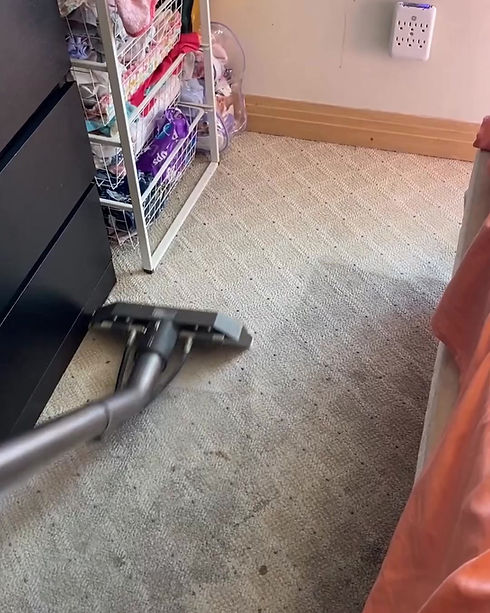
Professional deep extraction uses cleaning solution, agitation, and strong recovery to pull embedded soil from the carpet. At Ebert’s Carpet Cleaning, fast-drying deep extraction methods and a Roto-Vac Power Wand help clean evenly and remove more soil from heavily used areas. The goal is not simply to make the carpet smell nicer. It is to leave it cleaner, fresher, and ready to dry without unnecessary downtime.
Eco-friendly, pet-safe products are also a practical choice for family homes. They help homeowners avoid harsh chemical odors while still addressing everyday soil, stains, and buildup. If someone in the home has sensitivities, young children crawl on the carpet, or pets spend time indoors, ask what products and methods will be used before the appointment.
Prepare Your Home for a Better Cleaning Result
A little preparation helps the appointment go smoothly. Pick up toys, shoes, small furniture, and loose items from the carpeted areas. Identify any stains, pet concerns, or high-traffic spots you want the technician to inspect. If possible, move lightweight breakables or valuables from furniture that may need to be shifted.
You do not need to pre-treat every spot with a household product. In fact, that can make professional treatment harder if residue or chemicals have already been applied. Point out the areas instead and explain what caused the spot, if you know. Details such as “this is an old coffee spill” or “the dog had an accident here last month” help determine the right treatment.
After cleaning, allow the carpet to dry according to the technician’s instructions. Open interior doors, run ceiling fans, and keep air moving if weather allows. Avoid putting furniture back on damp carpet unless protective tabs or blocks are used. Most fast-drying methods reduce waiting time, but humidity, carpet thickness, soil level, and ventilation can all affect drying.
Choosing a Carpet Cleaner You Can Trust
Price matters, but the lowest advertised number is not always the lowest final bill. Ask for clear, upfront pricing and whether stain treatment, pet odor work, moving furniture, or heavily soiled areas may involve additional charges. A dependable local company should explain what is included before work begins, not surprise you afterward.
It also helps to ask about drying time, cleaning products, experience with your type of concern, and satisfaction policies. A company that gives a straightforward answer is more likely to respect your home and your schedule. Same-day or next-day availability can be especially valuable before a move, inspection, event, or unexpected spill.
For apartment managers, landlords, and homeowners preparing to sell, consistent results and reliable scheduling are often just as valuable as a clean carpet. A cleaner who arrives when promised and communicates clearly can keep a turnover or showing on track.
Keep Clean Carpet Looking Better Between Visits
Use entry mats at exterior doors and ask family members to remove shoes when practical. Address spills quickly, vacuum regularly, and rotate furniture occasionally so traffic patterns do not wear the same paths into the carpet. These simple habits extend the life of a professional cleaning and keep the home looking cared for.
When your carpet has reached the point where vacuuming and spot cleaning are no longer enough, do not wait for the problem to become bigger. A clear estimate, safe products, and a thorough cleaning can give your home the fresh start it needs without hidden fees or a long disruption to your day.


Comments