



Steam Cleaning vs Shampooing Carpets - Which Works?
A carpet can look clean after a quick spot treatment and still hold weeks of tracked-in grit, pet dander, food spills, and oily residue deep in the fibers. When comparing steam cleaning vs shampooing carpets, the better choice usually comes down to what is in the carpet, how soon you need the room back, and whether the cleaning method removes residue instead of leaving more behind.
For most Minnesota homes, rentals, and small businesses, deep hot water extraction is the more dependable option for routine professional cleaning. Shampooing can still have a place in certain situations, but it is not automatically the stronger clean just because it produces more foam.
What “Steam Cleaning” Usually Means
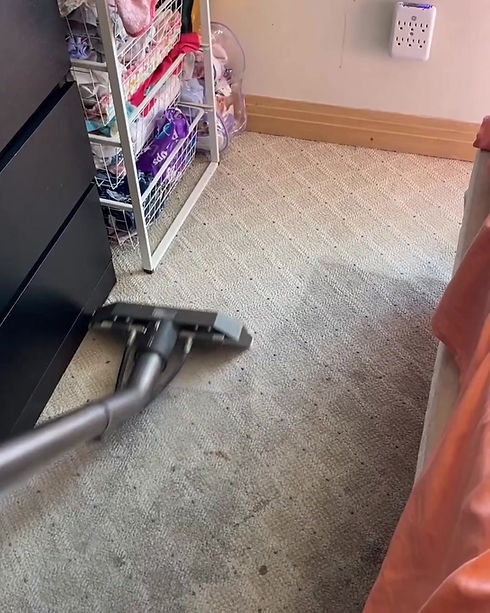
Despite the name, professional steam cleaning is generally not about blasting carpets with dry steam. Most carpet cleaners use hot water extraction. The process applies heated water and a cleaning solution into the carpet, agitates the fibers, and then uses strong vacuum extraction to pull out water, loosened soil, and cleaning solution.
That extraction step is what matters. Carpet collects dry soil that works like sandpaper underfoot, along with oils from shoes, cooking, pets, and everyday living. A quality extraction system is designed to rinse those contaminants away rather than simply move them around the surface.
Professional equipment also makes a real difference. A high-powered extraction tool, such as a Roto-Vac Power Wand, can provide more thorough agitation and soil removal than a typical rental machine. That can improve the look of traffic lanes and help restore carpet pile that has been pressed down by foot traffic.
When performed correctly, hot water extraction offers several practical benefits: deeper soil removal, less leftover detergent, improved freshness, and a carpet that dries within a reasonable window. Drying time depends on humidity, carpet thickness, airflow, and how heavily soiled the carpet was, but fast-drying methods can often have carpet ready for normal use in hours rather than days.
How Carpet Shampooing Works
Carpet shampooing uses a detergent-based solution, often with foam, to loosen dirt from carpet fibers. The shampoo is worked into the carpet with a machine or brush, then removed as thoroughly as possible. Older shampooing methods sometimes relied heavily on suds and rotary brushes, which could make a carpet look brighter right away.
The drawback is residue. If too much shampoo remains in the carpet, it can attract new dirt after the cleaning. This is one reason a carpet may look great for a short time, then develop dingy traffic lanes again sooner than expected. Excess moisture can also mean longer drying times, especially in a lower-level room, a humid home, or a carpet with a thick pad.
That does not mean all shampooing is ineffective. Some low-moisture shampoo or foam systems can work well for light maintenance cleaning, particularly where quick access matters. But for a home with pets, kids, visible traffic lanes, tracked-in mud, or old spills, shampoo alone may not deliver the deep rinse most carpets need.
Steam Cleaning vs Shampooing Carpets: The Key Differences
The simplest difference is this: shampooing focuses on applying a cleaning product to break up soil, while hot water extraction focuses on flushing out soil and solution after it has been loosened.
For a heavily used family room, the ability to remove contaminants matters more than making a carpet look temporarily fluffy. Deep extraction is often better suited to embedded dirt, allergens, pet-related buildup, and the gray or dark pathways that show up between the entryway, sofa, and kitchen.
Shampooing may be more appropriate when carpet needs a light surface refresh and moisture must be kept very low. For example, a commercial space that cannot be closed for long may use a low-moisture maintenance method between deeper cleanings. Even then, the carpet should still receive periodic extraction to remove what routine surface cleaning leaves behind.
Drying Time
Drying time is one of the biggest concerns customers have, and understandably so. Nobody wants to stay off the carpet all day, keep pets confined, or worry about damp carpet before a showing or tenant turnover.
A poorly performed shampoo job can leave carpets wet for an extended period. So can extraction done with too much water, weak vacuum power, or no attention to airflow. The method alone does not determine dry time - the equipment, technician, carpet condition, and indoor environment all matter.
A professional hot water extraction service using the right equipment and controlled moisture can leave carpet damp but not soaked. Opening blinds for warmth, running ceiling fans, and keeping the home at a comfortable temperature can help speed drying. It is best to wait until carpet is fully dry before replacing heavy furniture or letting pets back onto it.
Stains and Pet Odors
Neither method can honestly promise that every stain will disappear. Some stains permanently change carpet color, while others have been heat-set, treated with the wrong product, or sitting in the fibers for years. A dependable cleaner should explain that upfront instead of promising miracles.
For fresh food spills and common household spots, a proper pre-treatment followed by extraction can often produce excellent results. Pet accidents need more than a surface clean. Urine can travel into the backing and padding, and odor may return when humidity rises if the source was not treated. In those cases, targeted pet odor treatment combined with extraction is usually more effective than shampooing over the top of the problem.
Safety for Kids and Pets
The best cleaning method is not just the one that removes dirt. It should also fit the people and animals who live on the carpet every day. Ask what products are being used, whether they are appropriate for homes with children and pets, and how long everyone should stay off the cleaned areas.
Eco-friendly, pet-safe products can provide strong cleaning results without relying on harsh chemical odors. Just as important, proper rinsing helps reduce leftover cleaning solution in the carpet. If anyone in the home has allergies, chemical sensitivities, or respiratory concerns, mention it before the appointment so the cleaning plan can be adjusted.
Which Method Is Right for Your Carpet?
Choose deep hot water extraction when your carpet has visible traffic lanes, embedded dirt, lingering odors, stains, pet activity, or has not been professionally cleaned in a while. It is also a strong choice before move-out inspections, listing photos, tenant turnover, and holiday gatherings when the carpet needs to look and feel genuinely clean.
Consider low-moisture shampooing or foam cleaning for a light refresh in a space that needs to reopen quickly, provided the carpet is not heavily soiled and the service includes a plan to prevent residue buildup. This can be useful as part of a maintenance schedule, not necessarily as a replacement for periodic deep cleaning.
The condition of the carpet matters, too. Older carpet with worn fibers may not return to a like-new appearance no matter which method is used. Still, removing soil, reducing odors, and improving the feel of the fibers can extend the usable life of carpeting and help a room feel better cared for.
What to Ask Before Booking Carpet Cleaning
Before scheduling, ask whether the company uses hot water extraction, how they manage drying time, and whether their price includes pre-treatment for normal spots and traffic areas. You should also know if there are extra charges for stairs, pet treatment, heavily soiled rooms, or furniture moving. Clear answers before the work starts are a good sign.
For homeowners and property managers in Braham and nearby communities, Ebert’s Carpet Cleaning keeps the process straightforward with upfront pricing, eco-friendly products, fast-drying deep extraction, and a 100% satisfaction guarantee. A free estimate can help you choose the right service without guessing what the final bill will look like.
A clean carpet should not leave your home smelling strongly of chemicals, feeling wet for days, or looking dirty again after a week. Choose the method that fits the soil level and the room’s needs, then give your carpet the deeper care it has been asking for.


Comments